A Home After The Sunset
- At August 14, 2015
- By mausoleum
- In Mausoleum Design
 0
0


The sun provides for us. Its rays shower us with warmth and allow for the plant and animal life on this planet to survive and to thrive. One person, in particular, credits the sun with his own success in life. Ron Rice, you see, is the founder of the Hawaiian Tropic brand of suntan lotions. And at age 75, he is preparing for the setting of the sun on this life he has led.
Just north of Daytona Beach, Florida is the community of Ormond Beach. It is in this small community that Rice has just completed the construction of his 6 crypt mausoleum for himself, his ex-wife, and his daughter. He explains the three additional crypts are reserved for any future grandchildren provided him by his daughter.
Read More»3 New Trends in Modern Mausoleum Construction
- At April 19, 2014
- By mausoleum
- In Mausoleum Construction
- 0
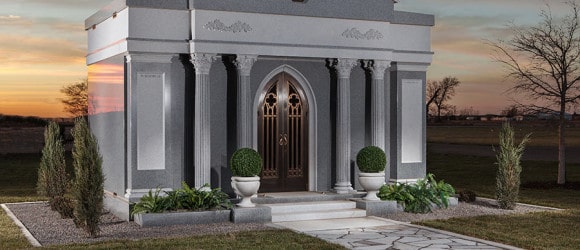
Say the word “mausoleum” and most people picture a dilapidated building in a mystical Gothic style – the kind of building you find in a tourist brochure. While there is plenty to admire about the style of old and historically significant mausoleums, and some people may prefer them to modern mausoleums, the mausoleums of today offer a wider array of options than ever before.
The many death-related museums around the world show us that the way we choose to remember the dead has transformed over time in countless ways. The mausoleums of today evolved, like other customs related to death, to meet the current zeitgeist. The following are three trends of modern mausoleums that reflect our growing desire for individuality, social responsibility, and luxury, even in death.
Modern Art and Architecture
Many newly constructed mausoleums are indistinguishable from other modern buildings. Boasting clean lines and minimalist designs, these mausoleums look like art museums or even installations. One example of a modern mausoleum is the Panteon Nube in Murcia, Spain featuring an ice-cave design and translucent black onyx panels to let in soft light during the daytime.
Read More»2,100 Year-Old Royal Mausoleum Discovered in China
- At August 18, 2014
- By mausoleum
- In General Information
- 0
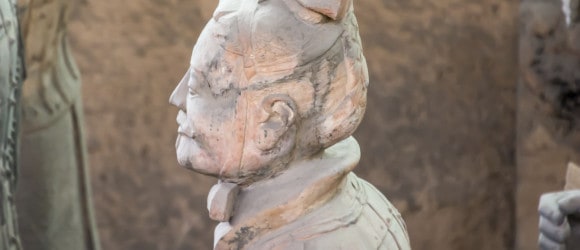
Archaeologists recently discovered the 2,100 year-old tomb of Chinese King Liu Fei, who died in 128 BC. The mountaintop excavation, which took two years, unearthed 10,000 artifacts made of gold, silver, bronze, and jade.
As befitting a ruler known for “extreme arrogance and luxury,” according to historians, Liu Fei entered the afterlife in grand style. Replete with all the treasures of the ancient world, his mausoleum offers a glimpse of his luxurious lifestyle, boasting:
Read More»Mausoleum in Saline, Michigan Celebrates 100th Anniversary
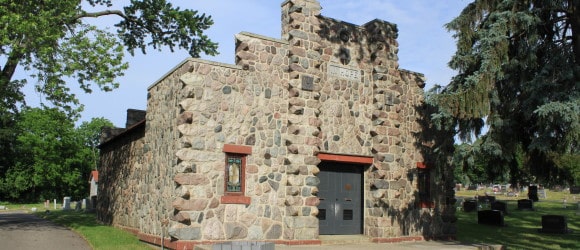
The Oakwood Cemetery mausoleum, built a century ago, is celebrating the milestone with a special ceremony last Sunday, according to the Saline Reporter. The structure has become one of Saline, Michigan’s historic landmarks and houses the remains of dozens of individuals interred throughout the last century.
The mausoleum dates back to 1913, when the Saline Observer reported that J.W. Flowers of Toledo, Ohio had purchased land at the Oakwood Cemetery in order to construct a brand new mausoleum. The cemetery handled the mausoleum design and construction, while Flowers was tasked with the sale of available mausoleum chambers. The mausoleum is comprised of 88 burial chambers, with a South Wall that holds 44 families and a North Wall that holds another 23 families. A number of local residents are interred within the mausoleum with their spouses or family members, the oldest of whom, John Hull, was born in 1842.
Read More»Rome’s Architectural Marvel: The Transformation of Hadrian’s Mausoleum Through History
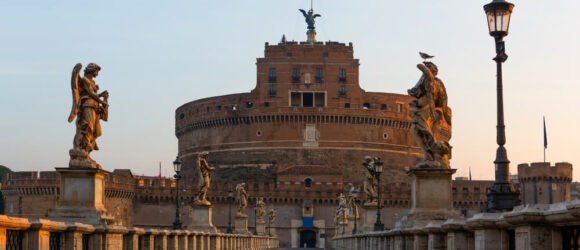
Rome, a city renowned for its architectural grandeur, houses many iconic structures that stand as testaments to its rich history. Among these, Hadrian’s Mausoleum, the Castel Sant’Angelo, holds a unique place. Initially built as the final resting place for Emperor Hadrian, this monumental structure has undergone a remarkable transformation over the centuries, serving as a fortress, papal residence, and even a prison. This blog explores the evolution of Hadrian’s Mausoleum, highlighting its architectural ingenuity and historical significance, as well as its notable angel statue sitting atop the structure.
Read More»