Mausoleum Tourism Destinations: 20 Must-Visit Memorial Sites That Will Leave You Breathless

There is something unexpectedly emotional about standing before a structure that was built to outlast generations. A mausoleum is much more than stone and bronze — it is architecture that has been shaped by love, power, belief, and permanence.
Across the world, mausoleum tourism destinations attract history buffs, art lovers, and adventure seekers, drawing them to places where art, construction, and legacy meet. Some call it tombstone tourism, while others consider it a side of dark tourism that focuses on death and the remains of the past. No matter the label, these sites reveal rich history, cultural significance, and powerful stories that continue to shape the present.
Here are 20 of the most impressive tombs and memorial sites in the world, each worth the visit.
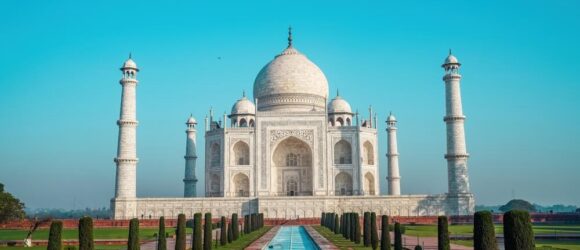
1. Taj Mahal
The Taj Mahal stands as one of the most famous mausoleum structures ever built. Located in Agra, India, it was commissioned by Emperor Shah Jahan in the 17th century as the resting place for his wife, Mumtaz Mahal.
Its white marble walls change color with the light of day, and the elaborate sculptures and stone inlay work demonstrate extraordinary craftsmanship. Recognized as a UNESCO World Heritage Site, it stands as one of the Seven Wonders of the modern world and a defining symbol of devotion.
2. Valley of the Kings
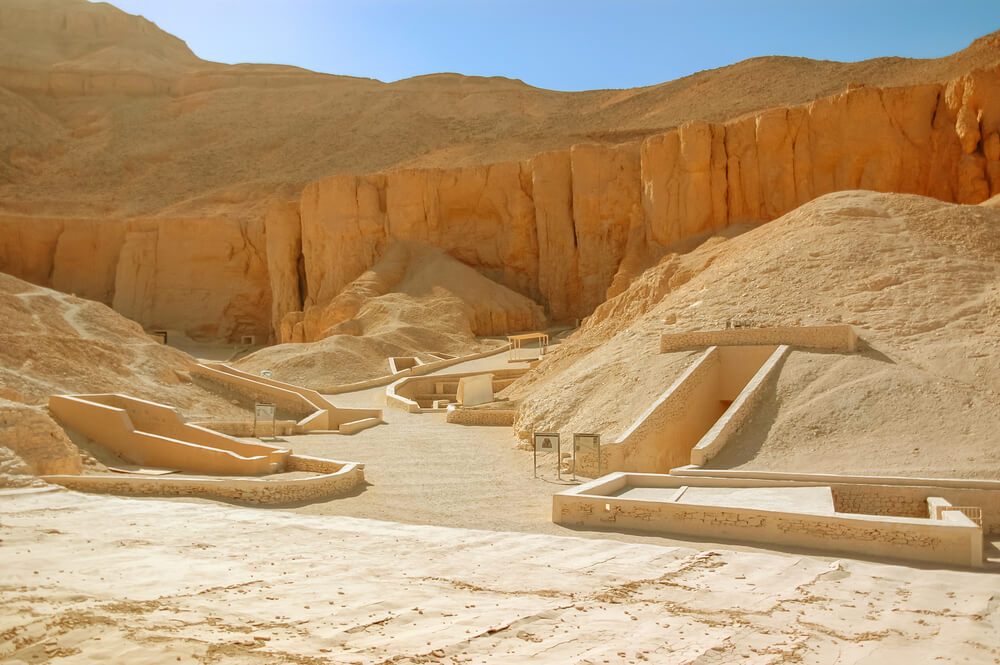
In the desert outside Luxor, the Valley of the Kings holds a series of royal tombs carved directly into rock. These burial chambers were constructed for ancient pharaohs and feature walls covered with detailed paintings illustrating their journeys into the afterlife.
These famous tombs offer rare insight into ancient construction methods and spiritual beliefs that shaped Egyptian history.
3. Les Invalides
Les Invalides in Paris houses the monumental tomb of Napoleon Bonaparte, among other stunning historical tributes. Beneath a golden dome, his sarcophagus lies within a circular crypt surrounded by carved reliefs depicting his military victories and national achievements.
Visitors often arrive for sightseeing, but the mausoleum itself commands attention as a powerful symbol of French history and ambition.
4. Mausoleum at Halicarnassus
The Mausoleum at Halicarnassus, located in present day Turkey, was the last standing of the original Seven Wonders of the ancient world. Built in the 4th century BCE for King Mausolus, lending us the word mausoleum.
A series of successive earthquakes left the tomb in ruins. Fragments of its elaborate Greek construction can be found in the British Museum. Its historic significance influenced funerary architecture across countries for centuries.
5. Père Lachaise Cemetery
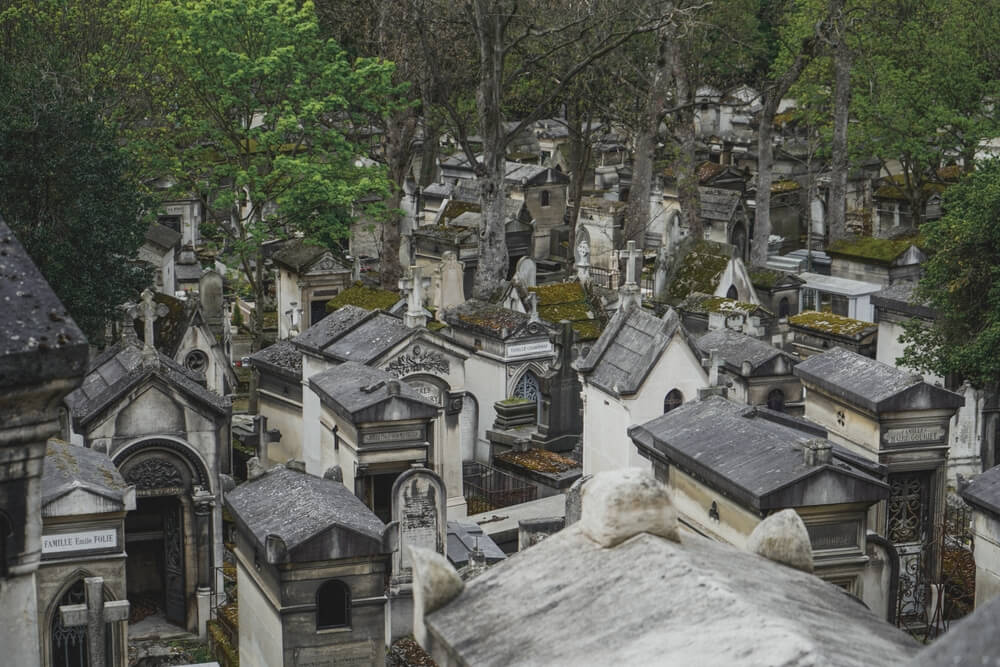
Père Lachaise is one of the most visited cemeteries in the world. Its winding paths are lined with tombstones, gravestones, and ornate mausoleums built by prominent families in Paris and across the world. It is also the site of three World War I memorials.
The grave of Jim Morrison draws fans daily. Beyond famous graves, the cemetery feels like an open-air museum filled with art, stories, and memories of Parisian history.
6. La Recoleta Cemetery
Recoleta Cemetery in Buenos Aires resembles a small city of the dead. Its narrow walkways are lined with impressive tombs, marble statues, and stained glass panels.
Many Argentine leaders and residents of national significance are buried here. The architecture ranges in style from neoclassical to art deco, creating a fascinating collection of memorials in one site.
7. St. Louis Cemetery No. 1
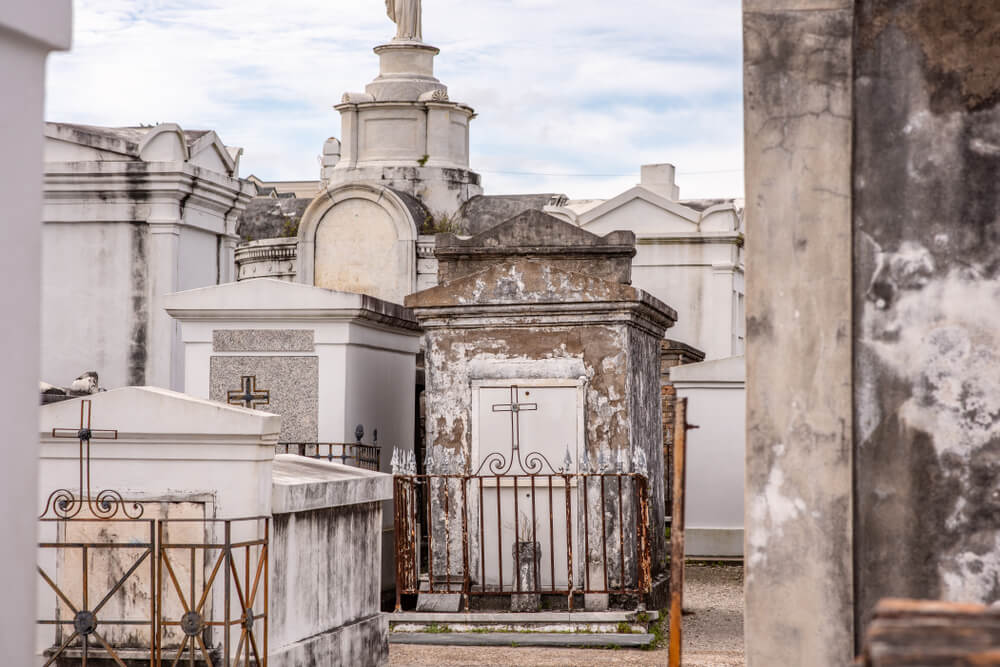
St. Louis Cemetery No. 1 is one of the most recognized cemeteries in the United States. Located in New Orleans, it features above ground tombs built to withstand the region’s high water table.
Visitors can join a guided tour to explore the unique construction and hear stories of families, local legends, and generations laid to rest above the ground.
8. Lenin’s Mausoleum
Standing in Red Square, Moscow, Lenin’s Mausoleum is a stark stone monument that houses the preserved remains of Vladimir Lenin. Its design is minimalist yet imposing.
The mausoleum holds a rich architectural history. Visitors can see Lenin’s carefully preserved body for a few minutes, though photography is strictly prohibited.
9. Humayun’s Tomb
Humayun’s Tomb in Delhi predates the Taj Mahal and is considered a masterpiece of Mughal architecture. Built in the 16th century, it introduced the garden tomb design that would inspire later structures.
The red sandstone walls and symmetrical layout reflect careful planning and enduring construction techniques, blending Persian and Indian influences.
10. Grant’s Tomb
Grant’s Tomb in New York City is the resting place of President Ulysses S. Grant and his wife Julia. The domed monument is constructed of granite and stands prominently in Riverside Park.
It remains a symbol of national remembrance and disciplined architectural design. It stands as the largest mausoleum in North America.
11. Montjuïc Cemetery
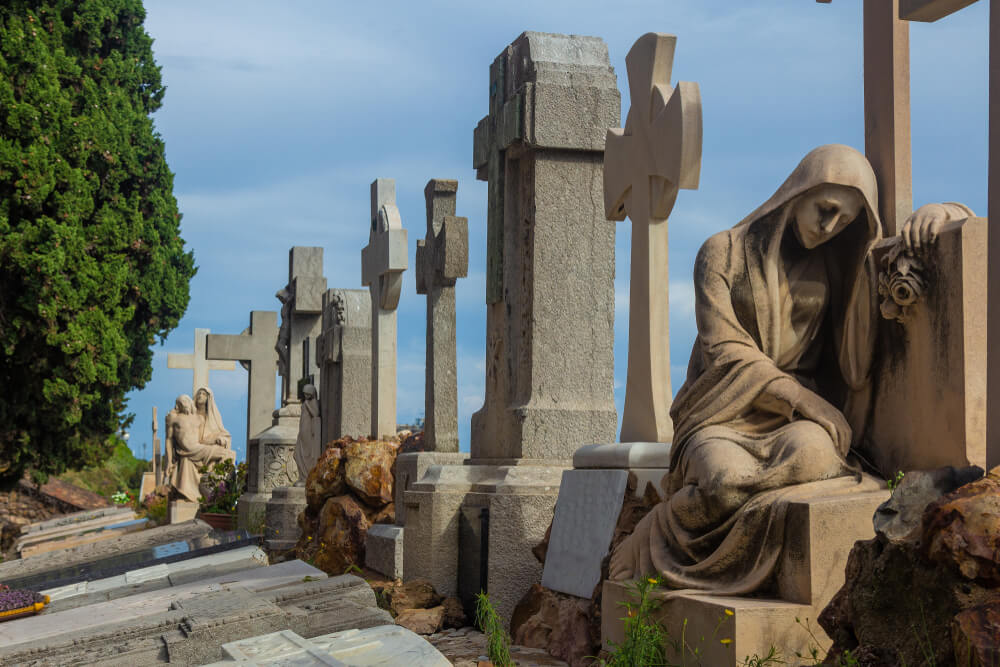
Overlooking the sea, Montjuïc Cemetery in Barcelona is surrounded by natural beauty. Established in the 19th century, it features dramatic sculptures and mausoleums built into the hillsides.
Its elevated views and artistic tombstones create a powerful blend of landscape and memorial architecture.
12. Zhongshan Mausoleum
Zhongshan Mausoleum honors Sun Yat-sen, a founding figure in modern Chinese history. At the site, visitors must climb a large set of stairs, symbolizing the path to national progress.
The stone monument and formal layout reflect dignity and national pride. Its various cultural features blend stunning Chinese architecture with traditional imperial tombs.
13. Mausoleum of Mohammed V
Located in Rabat, this mausoleum houses King Mohammed V and his sons. Its white walls and green tiled roof display traditional Moroccan architecture.
The interior features intricate craftsmanship and is constantly guarded, emphasizing respect and historic significance.
14. Okunoin Cemetery
Okunoin Cemetery is one of Japan’s most sacred sites. Moss covered gravestones line a forest path leading to the mausoleum of Kobo Daishi, the founder of Shingon Buddhism.
Lanterns glow softly near the burial chamber, creating a quiet, serene atmosphere that draws both pilgrims and tourists seeking reflection.
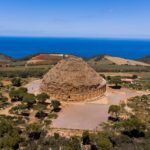
15. Royal Mausoleum of Mauretania
This circular stone structure in Algeria dates back nearly two thousand years. Built as a royal tomb, it stands alone on elevated ground, visible from miles away.
Its enduring design demonstrates early engineering ability and the desire to create a lasting legacy through this monument.
16. Medici Chapels
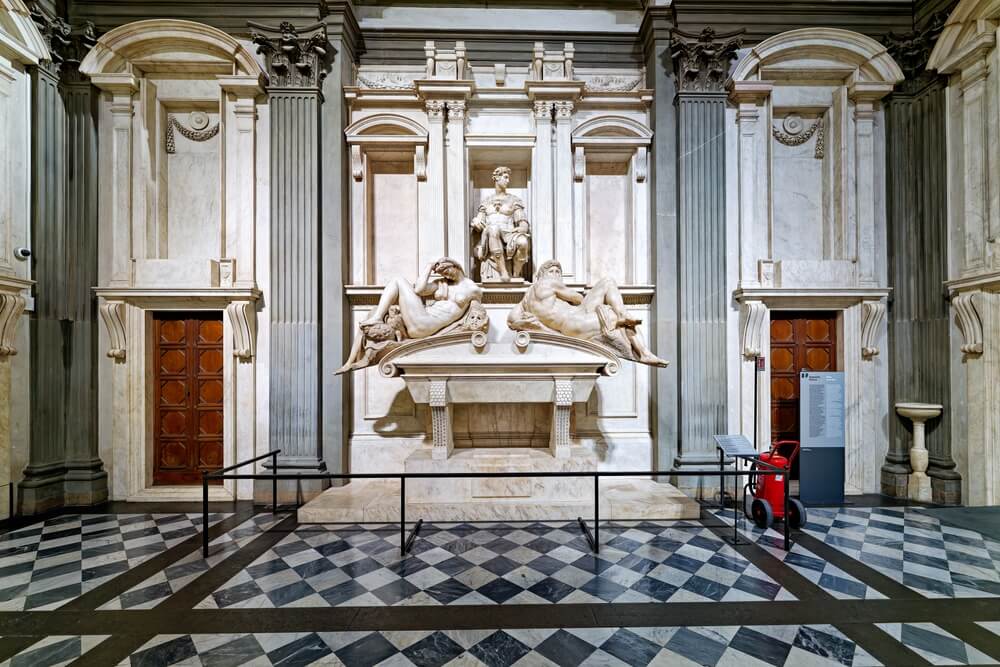
The Medici Chapels in Florence serve as the final resting places of the powerful Medici family. Located within a church complex, they are filled with Renaissance art and elaborate sculptures.
The blend of art, architecture, and burial chamber design makes this site a remarkable intersection of creativity and memorial purpose.
17. Hadrian’s Mausoleum
Originally built as a tomb for Emperor Hadrian, this massive cylindrical structure later served as a fortress and palace.
Its thick walls and commanding position along the Tiber River illustrate how mausoleums sometimes evolve beyond their original function while maintaining their historic significance.
18. Rumi Mausoleum
In Konya, the mausoleum of the poet Rumi draws visitors from around the world. Its turquoise dome has become a symbol of spiritual devotion.
For many, the site represents not only a burial place but a celebration of poetry, philosophy, and enduring influence.
19. Sainte-Chapelle Crypt
Beneath the renowned chapel in Paris lies a crypt connected to layers of French royal history. Though less grand than the chapel above, the burial spaces remind visitors of the generations once tied to the site. The space has remained a critical feature of French history.
20. Qianling Mausoleum
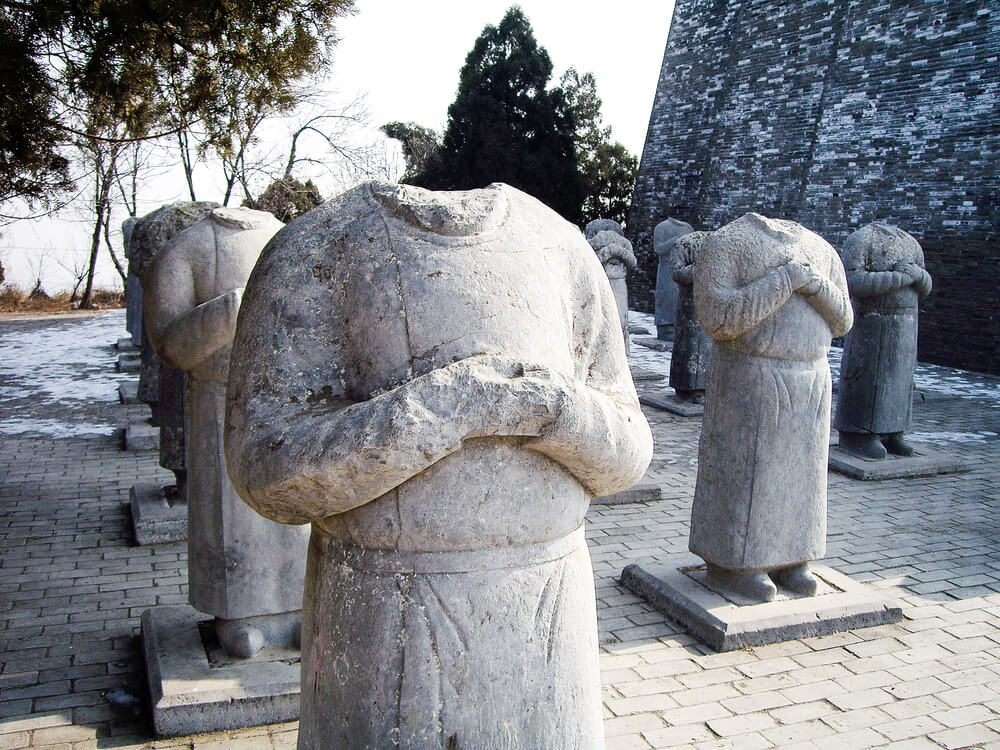
Qianling Mausoleum is the joint tomb of Emperor Gaozong and Empress Wu Zetian. Surrounded by guardian statues and mountain terrain, the site reflects imperial authority and enduring construction.
It remains one of China’s most important royal tombs from the Tang Dynasty.
Why These Sites Matter
These mausoleum tourism destinations are not simply resting places for the dead. They are symbols of permanence, identity, and the human desire to leave a mark. The most impressive tombs endure because they were built with intention, skill, and carefully selected materials meant to last.
Not all mausoleums are created the same. Some stand for centuries, their stone still intact and their walls still square. Others fade because they were never constructed to last. Visiting these grand historical sites often reminds us of our legacy and those we have known.
For those considering how they wish to be remembered, the lesson is clear. Design and construction matter. Materials matter. Craftsmanship matters.
Forever Legacy designs and builds custom private Eternal Mausoleums™ from Vermont granite, handcrafted in America and built for eternity. With decades of experience, master craftsmen, and white glove service from start to finish, we come to you and handle every detail with precision. When you are ready to explore what is possible, schedule a private consultation and discover what enduring construction truly looks like.