Royal Mausoleum of Mauretania History: How This 2,000-Year-Old Wonder Influenced Modern Memorial Design

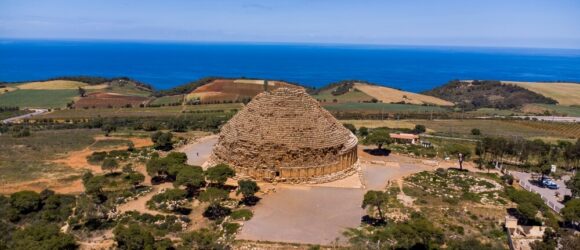
The Royal Mausoleum of Mauretania has stood for over 2,000 years overlooking the landscape of modern-day Algeria. Built as a royal tomb for King Juba II and Queen Cleopatra Selene II, the monument remains one of the most fascinating examples of ancient mausoleum architecture still preserved today.
Today, the Royal Mausoleum, known as the Tomb of the Christian (or Tombeau de la Chrétienne), still influences memorial architecture around the world. The mausoleum’s story touches everything from ancient royalty to architectural innovation, and its principles of permanence, craftsmanship, and balance echo in how private memorials are built today.
Who Were Juba II and Cleopatra Selene II?
To understand the historical significance of the Royal Mausoleum of Mauretania, it helps to understand the story of the royal couple who created it.
Cleopatra Selene II was the only daughter of Cleopatra VII and Mark Antony. Cleopatra Selene II was taken to Rome after her parents committed suicide following their defeat by Octavian in Egypt. She later married Juba II, a Berber prince highly educated in Roman culture. Together, the royal couple ruled the prosperous kingdom of Mauretania in North Africa, blending Roman sophistication with local traditions.
Under their reign, Mauretania prospered through trade and culture. Cleopatra Selene II served as the last queen of Mauretania before it was annexed as a Roman province under her son’s rule.
As the only daughter of Cleopatra VII and Mark Antony, Cleopatra Selene II’s connects the mausoleum directly to some of the most recognized figures in ancient history.
Architectural Design of the Royal Mausoleum
The Royal Mausoleum of Mauretania is striking for both its size and its unusual shape. The structure sits on a large square base measuring 60 meters in diameter. It is topped by a 200-foot long circular monument that rises in stepped layers. Its shape resembled both a burial mound (or “tumulus”) and the Mausoleum of Augustus. This was likely constructed as a deliberate act of allegiance to the Roman kingdom.
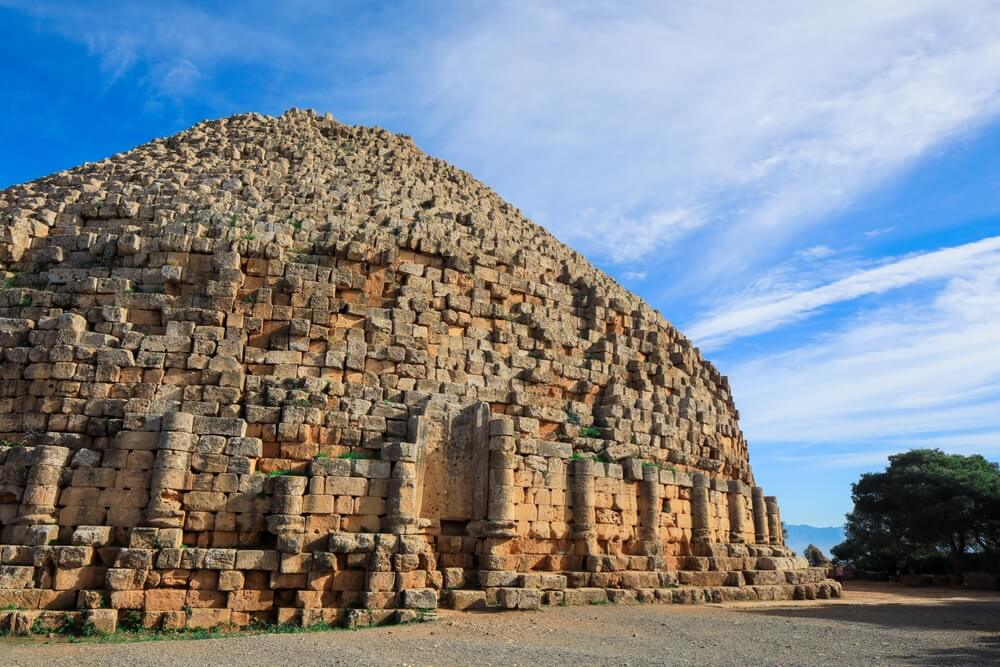
Massive stone blocks form the exterior walls, many of which remain intact despite centuries of exposure. The structure features decorative false doors on four interior sides aligned with the cardinal directions. Historians believe these stone doors represented passage into the afterlife. The exterior was believed to display 60 Ionic columns influenced by Greek Hellenistic architecture, erased by years of historic looting and erosion.
Inside the mausoleum are two vaulted chambers connected by a short passage. Though treasure hunters searched the tomb, no confirmed remains were conclusively identified. Some historians believe the royal tomb may have been emptied long ago.
The monument’s enduring construction is part of what makes it so remarkable today. Built entirely from stone and engineered with extraordinary precision, the mausoleum has survived invasions, earthquakes, and centuries of weathering.
Why Is It Called the Tomb of the Christian?
One of the more curious aspects of the mausoleum’s history is its nickname, “Tomb of the Christian.”
The name likely originated centuries after the structure was built. Some historians believe later visitors associated decorative lines on the exterior with the shape of a cross. Others point to local legends surrounding the site. However, the mausoleum predates Christianity and was not built as a Christian monument.
A Monument Shaped by Centuries of History
Over the centuries, the Royal Mausoleum of Mauretania has experienced periods of admiration and neglect. Treasure hunters damaged portions of the structure while searching for hidden riches. Historical accounts describe damage during the French colonial period in the 19th century, including reported use of the monument as a target during military exercises.
During the reign of Napoleon III, restoration efforts helped preserve parts of the monument. Despite ongoing concerns over poor maintenance and environmental wear, the mausoleum remains one of the most important archaeological sites in North Africa.
Located near the city of Tipaza in Algeria, the memorial site and broader region are recognized for its historical importance. Nearby Roman ruins and coastal settlements contribute to the area’s reputation as a center of ancient Mediterranean history. Today, the Royal Mausoleum is recognized as a navigational landmark for seafarers and fisherman due to its position overlooking the Mediterranean Sea.
How Ancient Mausoleums Influence Modern Memorial Design
As a UNESCO World Heritage Site, the Royal Mausoleum of Mauretania’s timeless cultural significance continues to inspire modern memorial architecture.
Permanence Matters
Ancient architects designed mausoleums with the understanding that they were meant to endure. Massive stone construction, thoughtful engineering, and careful craftsmanship allowed structures like this to survive for thousands of years.
These lessons in architecture have been passed down to today’s memorial architects. Granite remains one of the most trusted materials because of its strength, resistance to weathering, and enduring architectural beauty.
Architecture Reflects Legacy
The mausoleum was not simply a burial site. Every calculated proportion and carved detail was designed to communicate permanence, dignity, and importance. The unique characteristics that the mausoleum communicates are still admired today.
Architecture is meant to carry meaning long after words fade. This kind of intentional design is what separates a memorial from a monument. A memorial marks a death, while a monument declares a life. Private mausoleums today are designed with the same underlying logic. Each decision, from material to scale to inscription, works together to express enduring tradition and legacy.
Craftsmanship Defines Quality
The builders of the Royal Mausoleum relied on highly skilled craftsmen capable of shaping enormous stone blocks with remarkable precision. That level of workmanship remains essential in modern private mausoleum construction.
Today’s mausoleum architects who prioritize craftsmanship continue to use time-tested techniques, expert stonework, and detailed finishing to create structures built for eternity.
The Lasting Appeal of Private Mausoleums
For centuries, mausoleums have represented one of the most enduring forms of memorialization. Unlike communal mausoleums or standard burial options, private mausoleums offer a highly personal architectural space designed specifically for the individual.
The appeal is not simply historical or aesthetic. Many people value the permanence, privacy, and architectural significance that a handcrafted mausoleum provides. Just as ancient rulers sought memorials that would preserve their name through generations, modern clients often seek a permanent mark on earth that reflects their standards and legacy.
Build a Legacy Designed for Eternity
At Forever Legacy, we create custom Eternal Mausoleums™ inspired by the timeless principles seen in history’s greatest memorials. Built from Vermont granite and handcrafted in America by master craftsmen with decades of experience, every mausoleum is designed to endure for eternity.
Our team provides white glove service from the first consultation through placement, handling every detail with precision, transparency, and professionalism. We offer a thoughtful alternative to standard cemetery options for discerning individuals.
When you are ready to explore a private mausoleum designed around your vision and legacy, we invite you to schedule a consultation with Forever Legacy at your convenience.