Mausoleum Financing: A Practical Guide to Payment Options
- At October 13, 2026
- By Amanda Wallace
- In Mausoleum Cost
 0

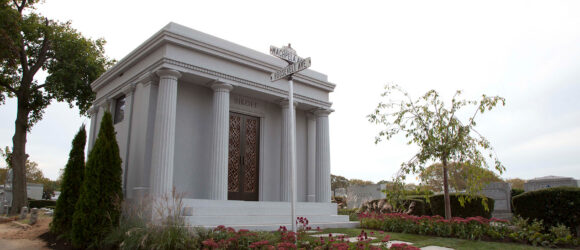
Choosing to invest in a private mausoleum is the first step towards building a legacy that will endure for years to come. It’s also a decision that involves serious financial considerations. How will the purchase be funded? When will payments be due? And how does the expense fit within an existing financial or estate plan?
As a private mausoleum is custom-designed and constructed, the payment structure follows the development of the project itself. There is no standard form of mausoleum financing built into the purchase. Instead, clients typically fund the project through a combination of personal assets, trust or estate distributions, or outside funding arranged independently through a financial institution.
This guide explains how payment is typically structured for a custom mausoleum purchase. It covers the initial deposit and progressive payments tied to milestones at each stage of construction, as well as the financial and estate planning tools clients may consider when preparing for the investment.
Key Takeaways
- Payment for a private mausoleum typically follows the construction process, beginning with a deposit and continuing through progress payments tied to key milestones.
- There is no standard financing model for private mausoleums. Families may use personal assets, trust distributions, or financing they arrange independently.
- If trust or estate funds will be funding the purchase, it is recommended to discuss the specifics with your estate attorney or financial advisor before construction begins.
- Knowing the payment schedule in advance makes it simpler to coordinate available funds with the timing of design, fabrication, and installation.
Why Mausoleum Payment Isn’t a Single Transaction
Paying for a family mausoleum differs from the purchase of an existing cemetery space. When you purchase a crypt in a community mausoleum, the structure is already built. A private mausoleum, however, is commissioned and constructed for you from the ground up.
The difference can be significant in both scope and cost. In a May 2024 article examining funeral and cemetery expenses, TheStreet reported an average price of approximately $4,663 for a single crypt in a public mausoleum. Community mausoleum crypts are purchased as existing cemetery spaces, so their payment structure is generally determined by the cemetery rather than by the construction process. Payment terms can vary: some cemeteries require payment in full, while others offer installment arrangements.
A private mausoleum works differently. Since the mausoleum is built in stages, payments can be made in installments as the project progresses. An initial deposit gets the work underway, followed by payments as the design is finalized, materials are procured, fabrication is completed, and installation takes place.
How Payment is Typically Structured
Initial Deposit
The initial deposit marks the transition from planning to production. Once the design and proposal have been approved, the specifications are established and the materials for the project can be secured.
At this stage, the granite selected for the mausoleum is quarried specifically for the project. From there, it is cut, carved, and finished by our craftsmen according to the approved design.
This early commitment does more than reserve a place in the construction schedule. It sets the project in motion and establishes the design, materials, and craftsmanship that will define the finished mausoleum.
Progress Payments Tied to Construction Milestones
Once the initial deposit has been made, subsequent payments generally correspond with key stages of the construction process. For a custom granite mausoleum, the work progresses through several distinct phases, from final design approval and material procurement to fabrication and installation.
This is particularly relevant for a custom granite mausoleum. The stone must be quarried for the project, shaped and finished to the approved design, and then transported to the installation site. Once the structure is ready, the installation itself becomes the final stage of the build.
The construction process takes approximately three to four months. This schedule includes the material fabrication and preparation required to create the finished mausoleum, followed by transportation and installation. As the timing of individual milestones can vary by project, the exact schedule and corresponding payments will be established as part of each individual project agreement.
For clients and their advisors, understanding this progression in advance makes it easier to anticipate when funds will be required and plan accordingly.
Final Payment and Installation
As the mausoleum reaches completion, the remaining balance is typically due at or near installation. By this point, the granite has been prepared, the structure has been fabricated, and the finished mausoleum is ready to be placed at its permanent site.
The final investment also includes the protection provided by Forever Legacy’s Eternal Guarantee. Every Eternal Mausoleum™ is unconditionally warranted against defects in workmanship or quality in perpetuity. The guarantee is backed by a trust fund that extends to the client’s heirs and to any cemetery where an Eternal Mausoleum™ is placed.
The Eternal Guarantee reflects Forever Legacy’s confidence in the quality of its Vermont granite, the craftsmanship of its artisans and the standards applied throughout construction. It is an integral part of the commitment made to each client: creating a mausoleum designed to protect their legacy for generations to come, with a guarantee that extends into perpetuity.
Financial and Estate Planning Tools Families Use

Personal Savings and Liquid Assets
For some families, the most direct financing approach is to use existing savings or assets. Others may choose to liquidate investments or holdings to fund some or all of a mausoleum purchase.
The appropriate source of funds will depend on the individual’s broader financial circumstances, including liquidity needs, investment objectives, and the timing of the mausoleum project. Because a structured payment schedule spreads the financial commitment across the construction period, families can also consider the timing of available funds rather than viewing the purchase solely as a single upfront expense.
Any decision to sell investments or draw on other assets should be considered within the context of an individual’s overall financial plan and discussed with a financial advisor.
Trust Distributions and Estate Planning Tools
A private mausoleum may also need to be considered within an existing estate plan or trust structure. The IRS notes that trusts are commonly used for estate planning and that the tax treatment of distributions depends on the type of trust and the circumstances involved.
That makes early coordination particularly important. An estate attorney can review whether the governing documents permit a particular expenditure, while a financial or tax advisor can consider the financial and tax implications. If a client intends to use trust funds for a deposit and subsequent construction milestones, the trustee and advisors may need to understand the anticipated schedule in advance.
It’s best to establish payment terms within a trust before the project is underway. Discussing the purchase with the appropriate advisors before signing an agreement can help identify potential issues early and determine whether the proposed funding structure fits the client’s objectives.
Traditional Financing Options Families Arrange Independently
For clients who choose to supplement available funds, several conventional financing options may be worth exploring. The appropriate approach will depend on the client’s existing assets, liquidity, and broader financial arrangements.
A home equity line of credit (HELOC) allows a homeowner to borrow against available equity in their home, typically drawing funds as needed rather than receiving one lump sum. This may be a suitable option for clients who have substantial home equity.
A personal loan provides a fixed amount of borrowed funds that is generally repaid over an established term. Availability and terms vary by financial institution and borrower.
Bridge financing can provide temporary funds when a client expects another source of capital to become available later, such as proceeds from an asset sale or another planned distribution.
These are established financing approaches that clients may consider when planning a significant expenditure. Forever Legacy does not provide or broker financing and recommends that those interested in outside financing discuss available options directly with their financial institution.
What to Discuss With Your Advisor Before You Begin
Thoughtful financial planning brings greater clarity to the mausoleum construction process. It can be helpful to involve your estate attorney, financial advisor or other appropriate professional early, allowing the project timeline and financial arrangements to be considered together.
Several considerations are particularly important to address:
- Budget: Review the published mausoleum cost information and establish an appropriate range for the project.
- Payment schedule: Understand the initial deposit and subsequent payments tied to construction milestones, including when funds will be required.
- Trust distributions: If trust assets are being considered, discuss with your estate attorney or trustee whether distributions can be timed to coincide with the deposit and construction milestones.
- Estate planning: Involve your estate attorney early to consider how the purchase fits within your broader estate plan.
- Project timeline: Confirm the anticipated timing of design, fabrication and installation so that financial arrangements can be coordinated accordingly.
Addressing these considerations early provides greater clarity around the investment and allows the financial arrangements to proceed with the same care and deliberation as the design itself. When you’re ready to discuss the project in greater detail, Forever Legacy can walk you through the design, construction timeline and payment structure.
Planning the Investment Behind Your Legacy
A private mausoleum represents a significant and permanent investment, and thoughtful planning extends to how that investment is funded. Because the structure is custom-built, an initial deposit is typically followed by payments aligned with key stages of construction.
Funding may come from existing savings, trust distributions or other estate planning tools. For those who wish to explore outside financing, conventional options may also be available through a financial institution. Forever Legacy does not provide or broker financing.
The most important step is to have these conversations early. Reviewing the anticipated cost, payment schedule and available sources of funds with your advisors can help ensure the financial structure is in place before construction begins.
If you’re considering a private mausoleum, request a consultation with our team and we’ll walk you through the design steps, construction process, and payment structure.
FAQs: Mausoleum Financing
How does paying for a mausoleum differ from buying a cemetery plot?
A cemetery plot is generally the purchase of an established burial space, while a private mausoleum is a custom construction project. Its cost reflects the design, craftsmanship, fabrication and installation involved in creating a permanent structure. As a result, payment for a private mausoleum generally unfolds in stages alongside key construction milestones.
What is typically required as a deposit for a private mausoleum?
The deposit required for a private mausoleum depends on the project and the terms established during the planning process. A deposit represents the initial commitment that allows the project to move into design finalization, material procurement and construction. Forever Legacy can provide the specific deposit requirements as part of the project proposal.
How long does the full payment process take from deposit to final installation?
The payment schedule generally follows the construction timeline, with payments corresponding to established milestones. Forever Legacy’s construction phase typically takes three to four months. The specific payment schedule and anticipated completion date are established as part of the project, giving clients a clear understanding of when funds will be required.
Does Forever Legacy offer financing?
Forever Legacy does not provide or broker financing. Instead, projects are structured around an initial deposit followed by progress payments tied to construction milestones and final installation. Clients who wish to use outside financing can explore the options available through their financial institution and incorporate those arrangements into their overall financial planning.
Can I use trust or estate funds to pay for a private mausoleum?
Trust or estate assets may be available to fund a private mausoleum, depending on the terms of the trust or estate and the circumstances of the individual. Since these arrangements can vary, clients should discuss the proposed expenditure with their estate attorney or trustee to determine how the purchase can best be structured.
Mausoleum Cost Comparison: Understanding Price Differences Between Styles
- At September 01, 2025
- By Lin McLeod
- In Mausoleum Cost
- 0

Choosing a mausoleum as a final resting place is a deeply personal decision, one that involves not only emotional considerations but also financial planning. Whether you’re looking at options for a private mausoleum for your entire family or considering a public mausoleum in a cemetery, it’s essential to understand how mausoleum costs can vary widely depending on quality, privacy, style, structure, location, and long-term maintenance.
The word mausoleum often conjures images of marble architecture and serene settings, but today’s options are far more varied, from simple community mausoleums to custom-built family mausoleums with space for multiple family members.
This guide explores the different types of mausoleums and breaks down the average cost, key differences, and additional costs to consider when choosing this dignified alternative to traditional burial practices.
Costs of Mausoleum Burial
- Mausoleum Costs Vary Widely: From shared community mausoleums to custom family mausoleums, mausoleum costs can range from $4,000 for a single crypt to over $1M for architecturally intricate private structures. Factors such as materials, design complexity, and cemetery location play major roles in pricing.
- Benefits of Community, Private, and Garden Mausoleums: Community mausoleums are affordable and low-maintenance, while private mausoleums provide exclusivity and long-term burial space for an entire family. Garden mausoleums blend natural beauty with architectural elegance, often offering peaceful settings and space for cremated remains, grave markers, and reflection.
- Practical and Emotional Advantages of Mausoleum Burial: Above-ground mausoleum burials protect remains from the elements and may reduce long-term costs tied to burial vaults, grave markers, and larger burial plots. They also provide lasting, centralized sites for honoring multiple family members.
- Additional Cost of Mausoleum Burial: Beyond basic mausoleum costs, families should budget for funeral services, crypt openings, custom engravings, floral placement, and perpetual care. Working with funeral directors early on ensures clarity around current and future expenses.
Types of Mausoleums and Their Costs
The first step in choosing a mausoleum is understanding your options.
1. Community Mausoleums
Community mausoleums, also known as public indoor mausoleums or garden mausoleums, offer space for individuals and families in a shared structure. Designed with multiple levels or wings, community mausoleums provide space-efficient alternatives to individual burial plots. These are more affordable than private options and are maintained by the cemetery or private companies.
- Average Cost: $4,000–$8,000 for a single crypt
- May have many niches for cremation urns or full-body mausoleum burials
These structures offer a serene environment that appeals to families seeking an alternative to an outdoor burial plot. The affordability and maintenance-free experience make them popular for those looking for a peaceful location to place cremated and full-body remains.
Some community mausoleums are located within memorial parks or gardens, where space may also be allocated for grave markers, reflection benches, or religious statues. If a loved one has already passed and was cremated, placing their cremated remains in a niche within a public mausoleum is often a practical and beautiful choice.
2. Garden Mausoleums
A garden mausoleum blends indoor and outdoor elements, often set in tranquil, landscaped surroundings. It typically includes mausoleum crypts and niches for cremated remains, along with space for grave markers and reflection areas.
- Average Cost: $7,000–$15,000 for a single crypt
- Aesthetic appeal and peaceful environment may incur additional costs
- Considered more affordable than fully indoor private options
Designed to mimic traditional cemetery environments, garden mausoleums often provide small alcoves or garden areas for each family’s use, while still including shared maintenance and perpetual care provided by the cemetery.
Some garden mausoleums are part of larger memorial complexes and may offer services like customized plaques, flower delivery, and seasonal clean-up, all of which can add to the mausoleum cost over time. This option is ideal for those who appreciate the outdoors and want a more natural setting for their loved one’s final resting place.
3. Private Mausoleums
A private mausoleum is a custom-built structure designated for one family. These can house multiple mausoleum crypts or niches, often with decorative features and inscriptions honoring multiple family members. They are typically placed in exclusive areas of the cemetery and offer the utmost in privacy, legacy, and personalization.
- Average cost: $150,000 – $1M
- Mausoleum cost increases with materials, size, and design
- Ideal for families seeking exclusivity and burial space for future generations
Private family mausoleums are often built in collaboration with private companies specializing in memorial architecture. They may include room for both caskets and cremated remains, allowing generations of family members to share a single sacred structure. Some include interior benches or small chapels for personal reflection or small funeral services.


Factors That Affect Mausoleum Cost
The cost of a burial in a mausoleum is influenced by several factors, including:
- Location: Urban cemeteries often charge more for burial space. However, private family mausoleums built in a private setting can also increase the price point of the project.
- Materials: Premium finishes like marble and granite increase the mausoleum cost
- Design Complexity: Architectural carvings, stained glass, or statues can significantly raise pricing
- Perpetual Care: Long-term site upkeep fees are typically built into the cost
- Size and Capacity: Mausoleums built for an entire family with space for multiple crypts or cremation urns will be priced significantly higher than a single crypt
Even within one cemetery, prices may differ depending on views, accessibility, landscaping, and nearby amenities. Consulting with funeral directors or cemetery planners early in the process can help you navigate your choices efficiently.
Comparing Mausoleum Burial vs. Traditional Burial
Mausoleum burial offers unique advantages over traditional burial, such as above-ground interment, architectural elegance, and protection from weather conditions. However, it’s important to remember that even traditional burials require additional costs such as:
- Burial vault
- Grave marker
- Ongoing cemetery maintenance
- Larger burial plots
For those who have chosen cremation, a mausoleum with many niches may be more economical and offer a more elegant solution than scattering or burial in a standard plot.
Are There Additional Costs?
Yes, here are a few common additional costs associated with mausoleums:
- Custom engraving and inscriptions
- Opening and closing of the crypt
- Dedicated space for cremation urns or cremated remains
- Placement of floral arrangements and seasonal decor
- Taxes, title transfers, and administrative fees
These costs can vary depending on cemetery policies and whether you are working with private companies or public institutions. Always discuss full pricing with your funeral director and request a breakdown of both current and anticipated future expenses.
Final Thoughts
When evaluating mausoleum costs, it’s important to remember that this decision is about more than “how much does a mausoleum cost”—it’s about the legacy you leave behind. For families who value privacy, exclusivity, and a dignified tribute that endures for generations, a private mausoleum offers unmatched benefits.
Unlike community or garden mausoleums, a private structure allows you to design a one-of-a-kind space that reflects your family’s heritage and values. With options ranging from elegant marble finishes to architecturally stunning chapels, the cost of a mausoleum becomes an investment in permanence, prestige, and peace of mind.
While private mausoleums may begin around $150,000 and extend into the millions, their long-term value far outweighs the price. They provide secure, consolidated space for future generations, protect loved ones from the elements, and serve as a timeless landmark honoring your family’s legacy. For those with the means to do so, selecting a private mausoleum ensures your final resting place embodies distinction, dignity, and enduring remembrance.
Need Help Choosing the Right Mausoleum?
If you are considering building a family legacy that stands the test of time, we invite you to explore your private mausoleum options with Eternal Mausoleums by Forever Legacy. While we cannot help you with community or garden mausoleum placement, our specialists will guide you through the process of designing your private, custom mausoleum with clarity and respect. Our designers will assist you in creating a lasting memorial as extraordinary as the life it represents.
Contact us to speak with a mausoleum specialist at Eternal Mausoleums by Forever Legacy.
Mausoleum for Sale
- At July 08, 2014
- By mausoleum
- In Mausoleum Cost
- 0
Modern cemeteries offer mausoleum lots for sale to families who want to build long-lasting private mausoleums. Some lots include an already-built or previously-used mausoleum for sale. While an existing or used mausoleum works for some people, a new private mausoleum offers many significant benefits, including:
- A classic or customized design that matches your tastes
- The right size to accommodate your family
- Expert engineering that ensures your mausoleum lasts for generations
- Beautiful landscaping that complements your mausoleum’s design
Walk-In Mausoleums: Cost, Building, Location, and More

Selecting the appropriate final resting place for yourself or a loved one is a difficult decision, especially when considering walk-in mausoleums. After all, the space you choose will reflect your family’s traditions, beliefs, tastes, and contributions for eternity.
The space also should provide comfort to survivors and give them a peaceful and beautiful place to pray and meditate.
For those reasons, families choose to construct a private walk-in mausoleum, which offers a true legacy for the family interred.
Read More»Tips for Finding the Best Mausoleums for Sale

We know how emotionally difficult it can be to think about end-of-life issues. However, finding mausoleums for sale well before they’re needed is wise.
We want to help.
There’s no time like the present to make these critical plans. After all, purchasing a mausoleum requires more time than purchasing a cemetery plot.
Here’s a quick guide for those interested in buying a mausoleum. First, we’ll answer the basic questions about researching mausoleums for sale. Then we’ll give you a brief overview of the building process.
Read More»New York Mausoleum Prices
- At September 23, 2013
- By Belinda McLeod
- In Mausoleum Cost
- 0

New York mausoleum prices vary depending on the construction of the mausoleum itself, and the location where the mausoleum is installed. How much does a mausoleum cost in New York?
Read More»What to Look For When Investing In a Private Mausoleum
- At June 17, 2020
- By Belinda McLeod
- In Mausoleum Cost
- 0

We understand that most people have little experience when it comes to purchasing a mausoleum. But as each of us must create end-of-life plans, you may find yourself researching a subject that you never considered until now.
We want to help you get started with your plans by giving you a general overview of mausoleums and crypts. We will also provide you with questions to ask when meeting with an artisan who specializes in custom-built private mausoleums. Having this background knowledge will assist you in making the best decision about a purchase that will be part of your family’s legacy.
We know that some of you want to know how much do mausoleums cost, but it is important to remember that a family mausoleum is a statement piece that honors your loved ones. Your family’s mausoleum will celebrate your contribution to the world and act as a distinctive monument that will last in perpetuity.
Read More»How to Buy a Mausoleum
- At December 05, 2013
- By mausoleum
- In Mausoleum Cost
- 0

To buy a mausoleum:
- select the right mausoleum provider for your custom mausoleum
- design your mausoleum
- buy property for the mausoleum
- build the mausoleum.
Quality is very important in creating a mausoleum that is capable of withstanding the test of time and providing the lasting legacy that you expect when you erect your mausoleum.
Read More»