Exploring China’s Sacred Burial Sites: From Terra Cotta Warriors to Imperial Mausoleums
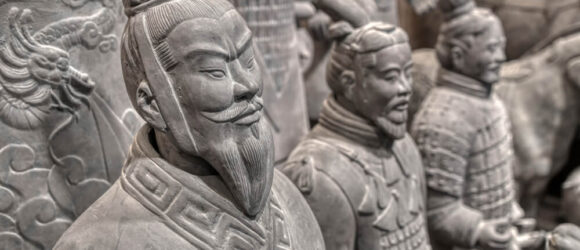
China, a land rich in history and culture, holds a deep reverence for its ancestors, and this respect is vividly displayed in its sacred burial sites and cultural relics. From the famed Terra Cotta Warriors of Xi’an to the elaborate imperial tombs scattered across the country, China’s burial sites are a fascinating intersection of art, history, and spirituality. These Chinese tombs and mausoleums offer a glimpse into the country’s dynastic past, providing insight into the lives, beliefs, and traditions of the Chinese people through the ages.
Read More»Exploring the Hanyang Mausoleum: Xi’an’s Hidden Imperial Treasure & Burial Architecture

When most people think of Xi’an, the first thing that comes to mind is the terracotta warriors, the awe-inspiring collection of life-sized statues built to accompany China’s first emperor, Qin Shi Huang, into the afterlife. However, another monumental site in the region often flies under the radar: the Hanyang Mausoleum (also called Han Yang Ling) is an incredible yet lesser-known imperial tomb complex located just outside Xi’an.
The Hanyang Mausoleum is the final resting place of Emperor Jing of Han (also known as Liu Ying) and his empress, Wang. Emperor Jing ruled from 157 BCE to 141 BCE during the Western Han Dynasty, a period of peace and prosperity for China. He was the fourth emperor of the Han Dynasty. The mausoleum, often referred to as a “hidden treasure,” showcases the grandeur and complexity of imperial burial practices and provides valuable insights into ancient Chinese culture, art, and architecture.
Read More»Popular Mausoleum Flower Arrangements: Ideas & Inspiration
- At January 01, 2025
- By Lin McLeod
- In General Information
 0
0

Flowers as a grave decoration provide a thoughtful way to honor and remember loved ones. Choosing the right arrangement can add a personal and meaningful touch to your tribute. Below, we explore mausoleum flower arrangement ideas to help you select the perfect display, including tips on displaying flowers in mausoleums.
Read More»Mausoleum of Santa Costanza: Rome’s Hidden Gem of Byzantine Art
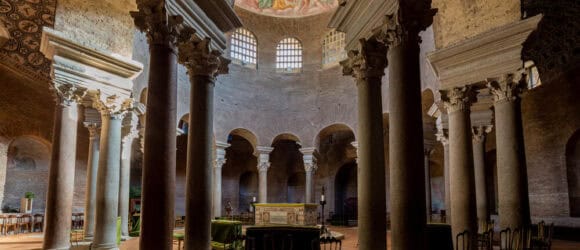
The Mausoleum of Santa Costanza in Rome is often regarded as a hidden gem, particularly for those interested in Byzantine art and early Christian architecture. Despite its historical and artistic significance, the Mausoleum of Santa Costanza remains relatively lesser-known than other Roman monuments, making it a peaceful destination for visitors seeking to explore Rome’s history. Here are some reasons this mausoleum deserves a visit when you are in the Eternal City.
Read More»Nintoku Mausoleum: Exploring the Tomb of Japan’s Legendary 5th Century Emperor

The Nintoku Mausoleum, the tomb of Emperor Nintoku, is one of the most awe-inspiring structures in Japan. This burial site, also known as Daisen Kofun, is located in Sakai City, Osaka. Its distinctive keyhole shape reflects the architectural brilliance and ceremonial importance of Japan’s Kofun period.
This megalithic mausoleum is part of the Mozu Tombs cluster, which gained World Heritage status in 2019 as part of the Mozu-Furuichi Kofun Group. These megalithic mausoleums are a magnificent example of Japan’s burial mound architecture from the 3rd to 6th centuries when Japan’s wealthy leaders built monumental tombs to showcase their power and influence.
Read More»