Can You Legally Build a Mausoleum on Your Property?

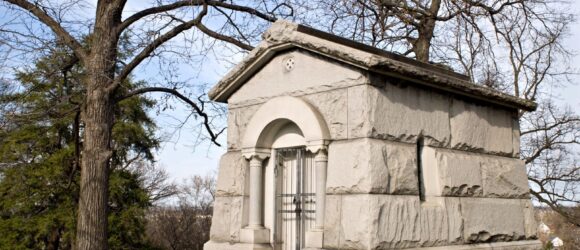
Before you bring your dreamed mausoleum to life, your site needs to meet all the legal requirements to be a private burial structure.
Often, the journey starts with you exploring local zoning rules, building permits, state cemetery laws, and any unique restrictions tied to your property. While you still need to consult various officials or experts, clarifying and understanding these requirements early can turn potential obstacles into manageable steps and keep your project on track.
Forever Legacy will guide you through the four key legal areas to address before breaking ground, the specific requirements for building one in Texas, Florida, New York, California, and Pennsylvania, and what happens if you ever decide to sell property with a private mausoleum.
Key Takeaways
- Owning your property does not automatically authorize you to build a private mausoleum. Review local zoning and building permit requirements first.
- State cemetery and burial laws may apply in addition to local requirements, and the rules vary by location.
- Deed restrictions, easements and association rules may prevent construction even when local zoning permits it.
- A private mausoleum becomes a lasting part of your property. Before building, think about future access, ownership, and resale, and consult local officials or an attorney to clarify requirements.
Why Owning Land Is Not Enough
Owning property gives you a valuable head start on building a private mausoleum, yet the journey is ultimately shaped by local zoning and land-use rules, building codes, state burial requirements, and any restrictions tied to your land.
Since no single office manages the entire process, your journey often starts with asking the local planning or zoning department how your private mausoleum would be classified and which other offices should weigh in before you start.
Tackling both legal and physical requirements first and foremost is key. Forever Legacy can guide you through choosing the perfect site while you confirm legal details with local officials or your attorney.
For extra guidance on access, drainage, soil conditions, and placement, explore our comprehensive guide to site selection and zoning.
The Four Legal Layers to Clear for Private Mausoleum Construction
Before construction, your project must pass local zoning rules, building permit requirements, and state burial laws and property restrictions.
Confirm Zoning and Land-Use Approval
Zoning rules dictate the mausoleum size, exact placement, and setbacks that define how far it must be from property lines, roads, or other landmarks.
Reach out to your local planning or zoning office to discover how a private mausoleum is classified in your area. In some locations, your project may fit neatly within existing zoning rules, while in others, you might need to navigate an extra layer of review, such as seeking special or conditional-use approval.
Ask About Building Permits and Inspections
Because a private mausoleum is a permanent structure, the local building department often reviews its foundation, structural plans and construction details. After your consultation, you will know which permits, engineering documents, and inspections your project will require.
Request a written checklist of all documents needed for a building permit. Understanding these requirements from the start allows everyone involved to gather the right information and prevents costly redesigns down the road.
Identify State Cemetery and Burial Requirements
Find the state agency responsible for cemetery or burial regulation and ask which laws apply to a private mausoleum on personally owned land. The appropriate agency varies by state.
State laws are separate from local zoning and building permits and often dictate where human remains may rest and whether a private burial site must be registered, recorded, or officially documented.
Review Deed Restrictions and Easements
Even with local approval, deed restrictions or easements attached to your property still apply. A deed restriction sets boundaries on how you can use your land, while an easement gives someone else, such as a utility company or government, the right to use a portion for a specific purpose like access or services.
Consult an attorney or title professional to review your deed, easements, association rules, and other recorded documents for hidden limitations that could impact building your mausoleum, accessing it, or even selling your property in the future.
How Five States Handle Private Mausoleums
This article provides general educational information, not legal advice. Since state and local rules can change, always double-check the latest requirements for your property with the appropriate government offices or a trusted attorney before starting any construction plans.
Texas: State and County Rules
The Texas Health and Safety Code sets the rules for using land as a cemetery or burial site. These requirements and possible exceptions can vary depending on where your property is located and which municipality or county it falls under. Forever Legacy works with clients across Texas, whether in Austin or beyond. Reach out to your local planning or zoning office to find out which state and local requirements apply to your property.
Florida: Cemetery Regulation Basics
Florida law makes exceptions for some family cemeteries under two acres, freeing them from parts of the state’s cemetery regulations. Still, any new mausoleum must meet state construction standards and building codes. These rules apply everywhere in Florida, whether your property is in Miami or another community. Check with your county zoning and building departments to see how the laws affect your property and plans.
New York: Local Oversight Matters
According to the New York Department of State, its Division of Cemeteries does not oversee private or family cemeteries. While there is no statewide rule for burials on private property, local restrictions and sanitary requirements may still apply. No matter where your property lies in New York, reach out to your local planning office before moving forward.
California: State and Local Requirements
The California Health and Safety Code sets out rules for private cemeteries and mausoleum permits, plans, inspections and construction. Cities and counties can add their own standards for burial and entombment. No matter if your property is in Los Angeles or another part of California, reach out to your local planning and building departments to find out exactly which requirements apply to you.
Pennsylvania: Township and State Rules
Pennsylvania law addresses private burial sites, including mausoleums, but this does not guarantee you can build on your property. Local zoning and building rules still apply. Whether your land is near Philadelphia or elsewhere in the state, check with your township, borough, or city to confirm local requirements.
If your property is in California, Pennsylvania, or anywhere else in the country, Forever Legacy is here to talk through your site and help you figure out the right questions to ask.
If You Sell the Property
A private mausoleum is a lasting monument on the property and, when you sell it, the agreement and all recorded documents should clearly outline the mausoleum’s presence, how it can be accessed, and who will be responsible for its ongoing care.
What an owner allows can hinge on state law, the sale agreement, and any restrictions tied to the property. For example, if you want access to the mausoleum even after selling the property, an access easement can ensure a legal path to it remains open for designated visitors, even if the land changes hands. The agreement can specify who may enter, the route they will take, and the times when visits are allowed.
Consulting an attorney can help clarify these requirements and ensure that access arrangements are properly documented before the property is listed or transferred.
Relocating the mausoleum or the remains within it is rarely straightforward. Disinterment, the process of removing human remains from their resting place, often demands consent, permits, and official approval from state or local authorities. These requirements can differ greatly depending on the jurisdiction and on who holds the legal authority to make decisions about the remains.
It is far simpler to plan for a future sale before construction of a mausoleum begins than to face these questions after the fact. An attorney can advise whether the deed should include access rights, maintenance duties, or other protective language for the burial site. Property documents should also spell out what will happen if the land is inherited, assigned, or sold to a new owner.
Your Pre-Build Legal Checklist
Begin investigating the legal requirements before you begin the mausoleum design process.
- Call the local planning or zoning office. Ask how a private mausoleum is classified on your property and whether the current zoning permits that use.
- Request the answer in writing. Written confirmation can help the builder, attorney and other professionals understand the requirements that apply to the site.
- Contact the building department. Ask which permits, engineering plans, inspections and supporting documents will be required before construction begins.
- Identify the appropriate state agency. Determine which department oversees cemeteries, private burial sites or the disposition of human remains in your state.
- Have the property records reviewed. An attorney or title professional can check the deed, easements and association rules for restrictions that may affect construction or access. Ask whether the title contains restrictions, whether an access easement is needed and how a future sale or transfer should address the mausoleum.
- Consult an experienced mausoleum builder. Forever Legacy can walk you through the step-by-step construction process and help coordinate the site.
Getting clear answers before design begins can prevent avoidable changes later.
Plan to Build a Mausoleum on Your Property

Owning the land puts you ahead of the game but building the mausoleum hinges on local zoning, building permits, state burial laws, and any property restrictions. By tackling these requirements early, you pave the way for a smoother design and construction journey.
If you are still weighing your options, explore our guide to finding the perfect land for a private mausoleum. Forever Legacy is ready to discuss building your mausoleum on your property, walk you through the construction process and help coordinate every detail of your site.
Since legal requirements can differ and evolve, check the rules for your property with local officials or an attorney. Once you have clarity, you can step into the design phase with confidence and peace of mind.
Frequently Asked Questions
What Counts as a Private Mausoleum Under Zoning Rules?
A private mausoleum is an above-ground sanctuary for your loved ones’ remains. Local codes may treat it differently than a cemetery, home, or outbuilding, so contact the planning or zoning office to learn how your project would be classified.
Who Should I Call First to Check If I Can Build?
Start with your local planning or zoning office. Find out if a private mausoleum is allowed on your land and whether you’ll need extra land-use approval. Next, connect with the building department and the state agency that oversees cemetery or burial rules.
How Long Does Permitting Usually Take?
Permitting timelines are rarely set in stone since the process varies by location, the paperwork involved and whether your project needs special approvals or a public hearing. Your local planning and building departments can walk you through the steps and offer the best estimate for your situation.
Does Owning the Land Mean I Can Build a Mausoleum?
No. Owning the land does not override zoning rules, building permits, state burial laws, or any restrictions tied to the property. Still, ownership is a valuable first step. Exploring the requirements early can help you chart a clear and practical course for your project.
What Happens If I Sell the Property Later?
The mausoleum usually stays with the property, but what happens next depends on state law, your sale agreement and any recorded access rights. Before you build, consult an attorney about how your deed and documents should handle visitation, upkeep and any future change in ownership.