Construction Standards Every Mausoleum Builder Should Embrace

When building a private mausoleum, it’s important to work with a company that understands and exceeds the state-specific mausoleum construction standards.
Here are some questions to ask a mausoleum construction company to ensure your private family mausoleum will stand the test of time.
Read More»Mausoleum Crypts: Family Mausoleums
- At May 31, 2022
- By Dachary Carey
- In Mausoleum Design
 0
0
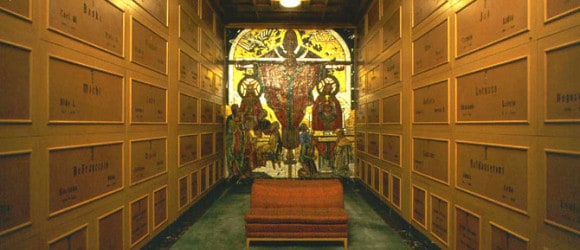
Although expensive, mausoleums are highly valuable and beneficial ways of preserving the memory of an individual or family. A mausoleum crypt provides a safe resting place for the remains of family members in a way that allows a continuing feel of closeness that traditional burial does not supply.
Read More»Jewish Mausoleums & Monuments
- At March 11, 2013
- By Karen Parker
- In Mausoleum Design
- 0
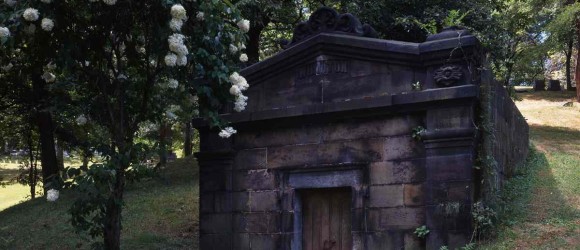
Most mausoleums place remains above ground inside a mausoleum crypt. Because Scripture and Jewish tradition dictate burial of the deceased in the ground, mausoleums are not commonly used by the Jewish faithful. Instead, Jewish cemetery monuments are placed over the earthen grave of the beloved deceased.
Read More»Considering a Private Mausoleum: Is it Right for You?
- At March 16, 2013
- By Belinda McLeod
- In Mausoleum Design
- 0
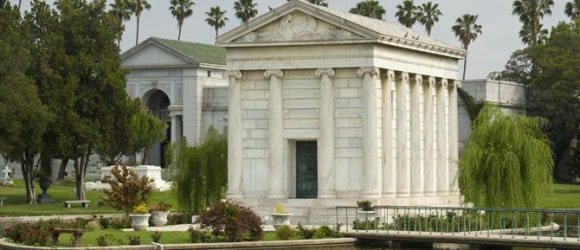
A private mausoleum is an above-ground building used as a permanent resting place for the deceased. Some private mausoleums are personal mausoleums, built for a single individual. Others are family mausoleums, built to house the remains of multiple family members. If you’re considering a private mausoleum, here’s what you need to know to decide if it’s right for you:
Read More»Seeing Double: Bache Mausoleum borrows from Kiosk of Trajan
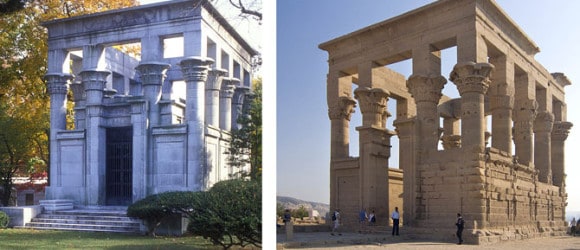
To coin a phrase, “if it works, don’t fix it.” The design of most mausoleums, like houses, is based on tried and true templates. And there are, of course, personal visions, one-of-a-kind mausoleums, that reflect the taste or whim of the designer or owner. There is a third inspiration for mausoleums: basing the design on existing buildings that may or may not be mausoleums. When designing a mausoleum, it is certainly worth considering using an existing building as inspiration. Indeed, if it works, don’t fix it.
Read More»How Forever Legacy Personalizes the Mausoleum-Building Process
- At November 13, 2020
- By mausoleum
- In Mausoleum Design
- 0

In our last article, we discussed mausoleum design trends that are popular across the world. Surprisingly, we discovered that mausoleum styles vary from classical designs with columns and pediments to conceptual pieces that are part sculpture and part science.
While no one style seems to be more popular than another, one of the prominent trends is that no mausoleum looks the same. In fact, all aspects of end-of-life services are becoming highly individualized. That’s why when you choose a company to create your final resting place, you should look for one that promises a custom-built private mausoleum.
Read More»Three Strange Mausoleum Stories
- At November 10, 2016
- By mausoleum
- In Mausoleum Design
- 0

Mausoleums are a symbol of remembrance and honor for many cultures. Over the years, exquisite mausoleums like the Taj Mahal have attracted tourists from all over the country to see its artistry. Other tombs like the three you will read about in this blog seem to lure people in by the mystery and strange stories around their design. Nevertheless, a mausoleum should be unique and have its own story to tell. A story that, sometimes, is stranger than fiction.
Read More»Renaissance Architecture in Mausoleum Design
- At June 06, 2014
- By mausoleum
- In Mausoleum Design
- 0
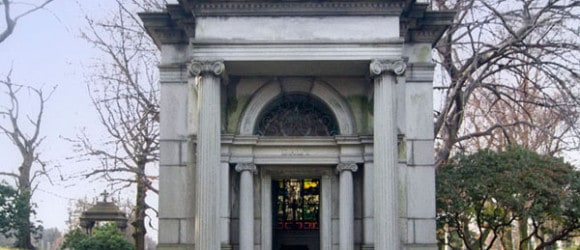
Renaissance architecture was a rebirth of Roman forms. As a movement born in Italy, it’s not surprising that Renaissance architects were inspired by the stately Roman structures surrounding them. The chief characteristic of Renaissance architecture is a return to the classic forms. The influence of Roman styles in many Renaissance mausoleum designs is clear. However, Renaissance mausoleum architecture incorporates other architectural elements and styles, including Romanesque Revival and even classic Greek architecture. By examining a set of Renaissance mausoleums, it’s easy to see the diversity in this period of architecture.
Coster Memorial
The Coster Memorial, in Woodlawn Cemetery, New York, perfectly demonstrates the evolution of the Renaissance mausoleum architecture style. This mausoleum incorporates the fluted Ionic columns so prevalent in Roman architecture, crowned with volute capitals. The domed roof is a common feature in Renaissance architecture, as domes emulating the Roman Parthenon became popular during this architectural era. The faux roof crowning the entrance to the mausoleum is a classic example of Roman Ionic architectural style, but carried out in a Renaissance design where the overall structure is much more massive and ornate.
Read More»American Mausoleums: Mausoleum Entombment for Loved Ones
- At March 22, 2013
- By Dachary Carey
- In Mausoleum Design
- 0

Looking back through the centuries, we see many architecturally outstanding mausoleums such as that of Akbar the Great, the Taj Mahal and of course, the Mausoleum at Halikarnassos (from where the word mausoleum derives). Each is a magnificent tribute to ones loved and lost. Although now significantly downscaled, mausoleum entombment continues, along with the tradition of respecting family legacy.
Today, American mausoleums are usually small buildings purchased by a community or large organization to hold bodies of the departed after a funeral. Private mausoleums, however, are on the rise due to the opportunity the individual or family has to design a unique and meaningful place of repose for both the living and the dead.
Read More»