Exploring New Dimensions
- At December 10, 2013
- By mausoleum
- In Doug Keister's Blog
 0
0

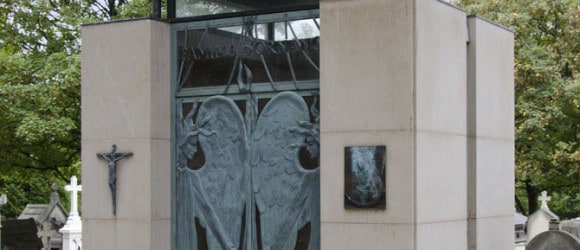
Traveling through the vast fields of mausoleums in large urban cemeteries in places like New York City and Chicago, it is easy to get the impression that all mausoleums are substantial and authoritative structures. To be sure, most mausoleums are built of rather heavyweight materials. After all, they are designed to last for eternity. And eternity does favor the substantial.
Proper building techniques, combined with an adequate perpetual care plan, enable mausoleum architects to explore unique design options and create some very interesting mausoleums. One material most people don’t associate with mausoleums is large expanses of glass.
To be sure, most mausoleums contain some sort of stained glass window, but modern laminated glass manufacturing techniques render glass virtually unbreakable. Designers use various configurations and sizes of glass to creating a feeling of lightness or airiness.
Read More»Why Choose Forever Legacy
- At October 03, 2013
- By mausoleum
- In General Information
- 0
There is that one person in your organization, life, or family that you turn to for your most important and pressing items, the ones that need to be done perfectly and on time. When it comes to executing your eternal tribute, Forever Legacy embodies that person.
Read More»The Mausoleum of Jesus
- At August 24, 2013
- By mausoleum
- In Doug Keister's Blog
- 0
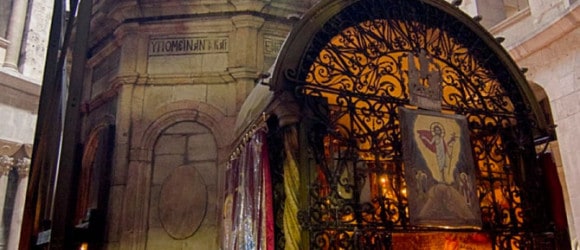
Travelers to the Holy Land will soon find out that there are two places that purport to be the burial place of Jesus. The most famous and well known site is in the Church of the Holy Sepulchre, within the city walls of Old Jerusalem.
The first Church of the Holy Sepulchre was built in the fourth century under orders from the Emperor Constantine. The work was actually supervised by Constantine’s mother, Helena. The story goes that, during Helena’s time there, both Golgotha, the Hill of Calvary, and Jesus’ rock-cut tomb were found in the same area and both were incorporated into the greater church building. The area around the rock-cut tomb is said to have been chipped away, but the tomb itself preserved.
Like much of the history in the Holy Land, specific events have become clouded over time. The original church building was destroyed and, as the centuries ticked on, various parts of subsequent churches were damaged, built, and rebuilt numerous times by various political and religious factions that occupied Jerusalem. Perhaps the most notable episode in the long history of the church is when the Crusaders retook the church from the Fatimids during the First Crusade in 1099.
Read More»A True Story in Stone: Burton Mausoleum
- At May 10, 2013
- By Doug Keister
- In Doug Keister's Blog
- 0
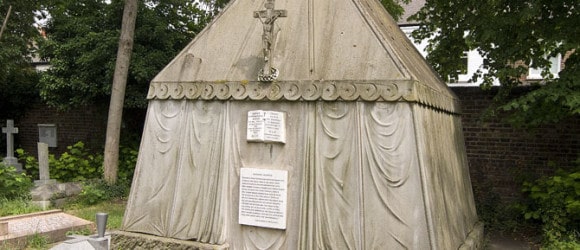
Tombs and mausoleums often tell a story through the use of statuary, stained glass windows, frieze panels, and architectural embellishments. That story may highlight, among other things, a person’s religious preference, their occupation, and the clubs and societies to which they belonged. However, sometimes, the architectural design of a tomb may tell its own special story.
Read More»The Soda Water King: A Story in Stone
- At May 04, 2013
- By Doug Keister
- In Doug Keister's Blog
- 0
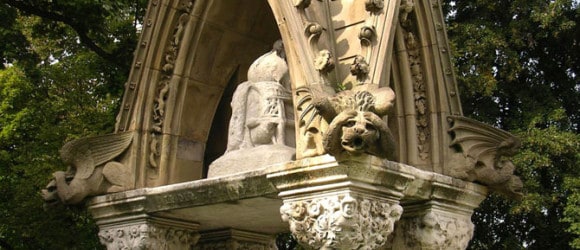
When visiting cemeteries we often seek out notable people and celebrities, but often the most interesting tombs are for people who have been largely forgotten in popular culture. Thanks to their tombs, we have an opportunity to know them better because each tomb is a story in stone. Such is the case with John Matthews’ tomb in Green-Wood Cemetery in Brooklyn, New York.
Read More»