Armand Hammer Family Mausoleum Overview
- At September 12, 2014
- By mausoleum
- In Mausoleumpedia
 0
0
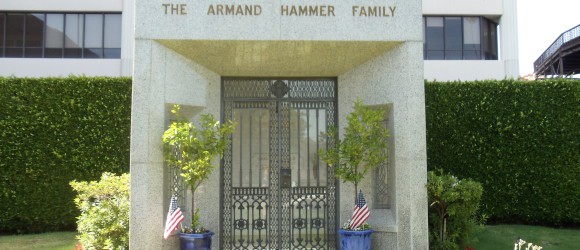
The American-born entrepreneur, philanthropist, and political power player, Armand Hammer (May 21, 1898 – December 10, 1990), is best known for founding Occidental Petroleum, a company he helmed for several decades.
Read More»Memory Gardens Mausoleum Bankruptcy
- At July 14, 2014
- By mausoleum
- In General Information
- 0
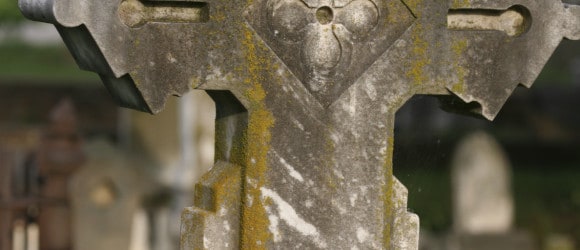
After repeated financial problems, the Cullman Memory Gardens has once more been closed by the State of Alabama. In 2008, the mausoleum had been taken into receivership due to alleged mismanagement by the previous owner – Mike Graham and Associates. The property facilities have continued to deteriorate due to the failure to provide proper maintenance. Families complained of a foul liquid smell emanating from the tombs of the mausoleum. Bankruptcy trustees have been placed in charge of Cullman Memory Gardens.
Read More»Renaissance Architecture in Mausoleum Design
- At June 06, 2014
- By mausoleum
- In Mausoleum Design
- 0
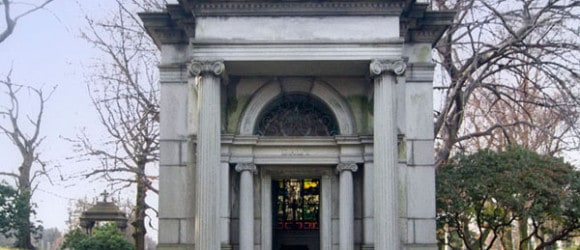
Renaissance architecture was a rebirth of Roman forms. As a movement born in Italy, it’s not surprising that Renaissance architects were inspired by the stately Roman structures surrounding them. The chief characteristic of Renaissance architecture is a return to the classic forms. The influence of Roman styles in many Renaissance mausoleum designs is clear. However, Renaissance mausoleum architecture incorporates other architectural elements and styles, including Romanesque Revival and even classic Greek architecture. By examining a set of Renaissance mausoleums, it’s easy to see the diversity in this period of architecture.
Coster Memorial
The Coster Memorial, in Woodlawn Cemetery, New York, perfectly demonstrates the evolution of the Renaissance mausoleum architecture style. This mausoleum incorporates the fluted Ionic columns so prevalent in Roman architecture, crowned with volute capitals. The domed roof is a common feature in Renaissance architecture, as domes emulating the Roman Parthenon became popular during this architectural era. The faux roof crowning the entrance to the mausoleum is a classic example of Roman Ionic architectural style, but carried out in a Renaissance design where the overall structure is much more massive and ornate.
Read More»Memorials: Stones, Benches and More
- At May 30, 2014
- By mausoleum
- In General Information
- 0
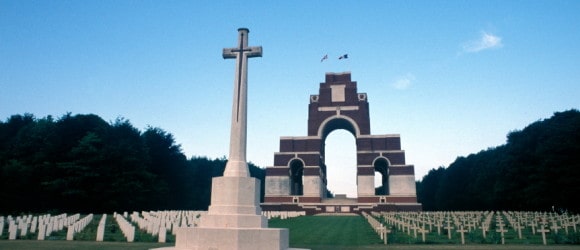
Memorials are one of the most important elements of the funeral process for family members and the deceased alike. Family members use memorial stones, plaques, benches, and other memorial objects as focal points for grieving. They visit memorials when they want to feel close to the deceased family member, or to show their respect and love on significant days, like birthdays, wedding anniversaries, or anniversaries of death. Planned in advance, memorial objects also provide the subject of the memorial the comfort of knowing he or she will be remembered long after passing. What kind of memorial is right for you or your lost loved one?
Memorial Stones, Headstones and Markers
Memorial stones, memorial headstones, and memorial markers are the most common types of memorials. Memorial headstones and markers serve the same function as gravestones; they record personal information, such as name, date of birth, and date of death. Memorial stones sometimes bear inscriptions with inspiring or descriptive text about the deceased, such as "Beloved Mother" or "An Inspiration to All." Memorial markers are placed where the remains have been laid to rest, somewhere that was significant to the deceased, or somewhere the family enjoys.
Read More»Turkish Soccer Fans March on Revolutionary’s Mausoleum, Demand Justice
- At May 21, 2014
- By mausoleum
- In General Information
- 0
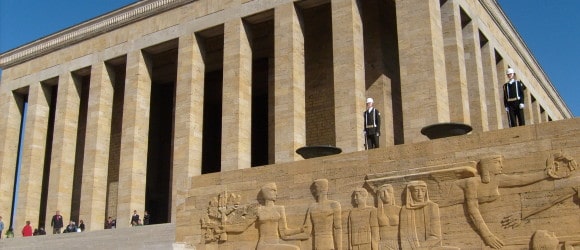
In pursuit of justice, hundreds of supporters of Turkish soccer club Fenerbahçe marched to Anıtkabir, the country’s most famous mausoleum, on March 23, 2014.
According to the Hurriyet Daily News, a Turkish publication, protesters chanted “Justice for Turkey, justice for Fenerbahçe” and “Light a torch for justice” during the march to Ankara, where the mausoleum is located.
The protest follows a similar rally for justice held in Istanbul in February. Both rallies were organized as a response to a controversial verdict by Turkey’s Supreme Court, which found Fenerbahçe chairman of thirteen years Aziz Yıldırım and other officials guilty of attempting to fix matches during the 2010-2011 championship.
Read More»