Symbolism in Mausoleum Architecture: How Ancient Symbols Continue to Influence Modern Memorial Design

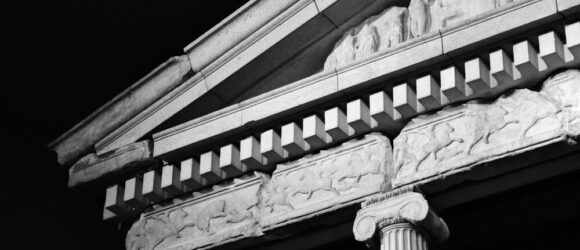
Throughout history, symbolism in mausoleum architecture has shaped how societies honor the deceased and create a meaningful and enduring tribute. From the ancient world to today, these structures have served not merely as tombs, but as architectural statements or expressions of reverence, permanence, and cultural significance. The symbols embedded in their design reflect shared values about life, death, remembrance, and what it means to leave an enduring legacy.
The Enduring Symbolism Behind Timeless Mausoleum Design
- Ancient Influence: Symbolism in mausoleum architecture connects the ancient world to modern memorial design, carrying forward principles established in ancient Egyptian architecture and monumental tombs like the Taj Mahal.
- Material Meaning: The use of granite and other enduring stone materials represents strength, permanence, and a deliberate commitment to creating a lasting tribute that stands indefinitely.
- Architectural Expression: Proportion, symmetry, sculptures, inscriptions, and ornate details communicate respect and reverence, shaping a serene atmosphere that encourages reflection.
- Purpose Beyond Burial: Mausoleums provide more than a final resting place; they create a dedicated space where memory, honor, and shared values are preserved with dignity.
- Enduring Legacy: Thoughtful mausoleum design aligns symbolism, craftsmanship, and architectural beauty to create a meaningful and enduring tribute built to stand for eternity.
Ancient Origins: Architecture with Meaning
The roots of mausoleum symbolism trace back thousands of years. In ancient Egyptian architecture, tombs were designed with profound symbolic significance. The pyramids of Egypt were not simply grand structures of stone; they represented ascension, eternity, and the divine order of the world. Every architectural element (scale, orientation, carvings, and materials) was intentional. Intricate carvings depicted stories of life and spiritual belief, reinforcing the idea that death was not an end, but a transition.
The Mausoleum at Halicarnassus, built for the Persian satrap Mausolus by his wife Artemisia, became one of the Seven Wonders of the Ancient World. It combined sculptures, ornate details, and monumental scale to honor a single life in a way that reflected power, devotion, and permanence. From that moment forward, mausoleums were recognized as architectural marvels capable of expressing eternal love and respect through stone.
These early structures established a principle that remains relevant: memorial architecture should reflect meaning, not merely provide a final resting place.
The Taj Mahal: A Testament of Eternal Love

Few monuments demonstrate symbolism more clearly than the Taj Mahal. Built as a testament of eternal love, it stands today as one of the most recognized mausoleums in the world. Its symmetry represents harmony and balance. Its marble surfaces reflect purity and timeless elegance. Its intricate carvings and ornate details evoke paradise and spiritual transcendence.
Although constructed centuries ago, the Taj Mahal continues to influence modern mausoleum design. It proves that when architecture expresses devotion and reverence through proportion, materials, and craftsmanship, it can endure as both a personal memorial and a global symbol of architectural beauty.
Materials as Symbols of Permanence
In mausoleum architecture, materials carry meaning. In the ancient world, stone symbolized strength and eternity. That symbolism continues today. Granite, in particular, represents durability, stability, and permanence. Unlike marble, which can weather and deteriorate over time, high-quality granite maintains its structural integrity and aesthetic appeal for generations.
The choice of materials is never incidental. It communicates intention. It signals whether a structure is meant to stand temporarily or indefinitely. When building a private mausoleum, selecting enduring materials reinforces the purpose of creating a lasting tribute that will remain present for centuries.
Architectural Elements That Reflect Reverence
Beyond materials, specific architectural elements shape the mausoleum experience. Sculptures and statues have long served as visual expressions of honor and remembrance. Whether classical figures, religious representations, or symbolic motifs, these elements create a serene atmosphere that invites reflection.
Inscriptions carved in stone preserve memory with clarity and permanence. They allow stories, values, and achievements to be communicated long after a person’s lifetime. Words etched into granite stand as a testament, ensuring that meaning does not fade.
Proportion, symmetry, and scale also contribute to symbolic impact. Grand entrances, bronze doors, and refined architectural lines communicate dignity and respect. Ornate details, when thoughtfully executed, enhance aesthetic appeal without overwhelming the structure’s purpose. Each element works together to create a space that feels intentional, grounded, and enduring.
From Public Mausoleums to Private Legacy
Historically, many mausoleums were public mausoleums built for rulers or prominent families. Today, mausoleums provide individuals the opportunity to create a private space that reflects personal standards and values. Rather than relying on cemetery-controlled structures, individuals can shape a design that aligns with their expectations for quality, materials, and craftsmanship.
Private mausoleums offer more than exclusivity. They provide control over the architectural process, ensuring that the structure serves as a meaningful and enduring tribute tailored to the individual. The experience becomes deliberate and efficient, focused on creating a monument that reflects life, achievement, and reverence.
In this way, making mausoleums today is less about grandeur and more about precision, or choosing materials that will stand, selecting architectural elements that convey meaning, and creating a structure built to endure indefinitely.
Why Symbolism Continues to Matter
Even in a modern era, symbolism remains central to memorial design. Architecture communicates what words cannot. It creates a sense of permanence and respect that resonates across generations. When someone visits a mausoleum, the structure itself conveys meaning through its form, materials, and craftsmanship.
A thoughtfully designed mausoleum does more than mark death. It honors life. It reflects shared values. It creates a physical space for remembrance and quiet reflection. The symbolism embedded in the design ensures that the monument remains relevant, not only in the present, but far into the future.
Throughout history, the world’s most celebrated memorial structures, from the pyramids of Egypt to the Taj Mahal, have demonstrated that when architecture is guided by purpose and meaning, it transcends time. Modern mausoleum design continues that tradition, drawing from centuries of cultural influence while maintaining the highest standards of construction and aesthetic discipline.
Symbolism in mausoleum architecture is ultimately about intention. It is about creating a space that represents reverence, permanence, and respect. It is about shaping stone into a lasting tribute that stands with quiet authority.
A mausoleum is not simply a structure within a cemetery. It is a statement in granite and bronze. It is architecture shaped by meaning. And when built to the highest standards, it becomes an enduring legacy that honors life with dignity and permanence.
If you are considering a private Eternal Mausoleum™, the first step is understanding your options, materials, design standards, placement, and pricing, without pressure or uncertainty.
At Mausoleums.com, you can explore our handcrafted granite mausoleums, learn how the process works from start to finish, and see why discerning individuals choose to build independently rather than purchase directly from a cemetery.
Every structure is built in America from Vermont granite, crafted by master craftsmen, and guaranteed for eternity. We provide white glove service, fixed pricing, and proactive communication at every stage.
When you are ready, contact us to request a private consultation. We come to you. We handle every detail. And we build it to stand — permanently.