2000 Year Old Mausoleum to Receive $3 Million for Restoration in Creative Trade
- At October 23, 2014
- By mausoleum
- In Doug Keister's Blog
 0
0
I can’t count the number of times that, when I tell people about my appreciation of mausoleums and cemeteries, I hear, “What a waste of money. What are they good for? People ought to be assigning money in their wills toward art and things that benefit humanity.”
After they have finished their all-things-funerary diatribe, I pause to collect my thoughts. Then, with one eye closed and eyebrow raised, I ask them what they think about the Pyramids of Egypt, the Taj Mahal in India, the Terra-cotta Warriors in China, Westminster Abbey in England, and the Pantheon in Rome.
As I continue to rattle off well-known mausoleums and burial locations around the world, they usually hold up their hand imploring me to stop. They get my point. The fact is many of the most popular tourist destinations in the world are mausoleums. They are not only a testament to the entombed person but timestamps that often tell us, in great detail, what the architectural and social mores were at the time they were constructed.
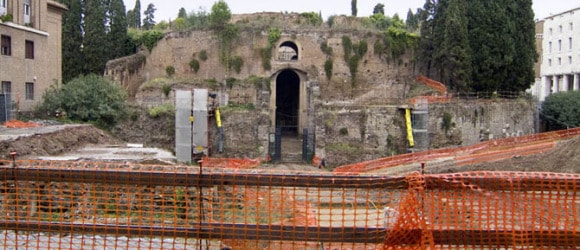
The latest permutation of the staying power of mausoleums is that one of them has now become a bargaining chip: the restoration of the Mausoleum of Augustus in Rome for art. Augustus was the first emperor of Rome. He ruled as emperor for 41 years, dying at age 75 in 14 AD.
Read More»Forest Lawn Cemetery Mausoleums
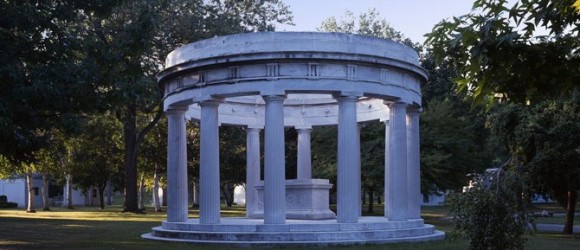
Forest Lawn Cemetery in Buffalo, New York is the final resting place for over 152,000 souls. This historic cemetery was founded in 1849 by Charles Clarke, and covers more than 269 acres. Forest Lawn Cemetery is known for its monuments, mausoleums, and sculptures, as this 19th century style garden cemetery serves as a combination of outdoor museum, arboretum, park, and cemetery.
Read More»Woodlawn Cemetery Mausoleums in the Bronx, NY
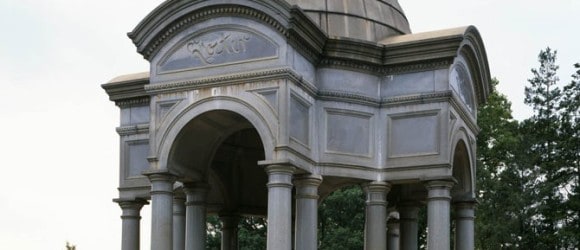
Woodlawn Cemetery, in the Bronx, is one of the largest cemeteries in New York City. This 400-acre cemetery is the final resting place for more than 310,000 people. Established in 1863, Woodlawn Cemetery is designated a National Historic Landmark. It is an important cemetery, historically speaking, because it is a prime example of the transition from rural garden cemetery at the time of its establishment, to the more modern and orderly 20th-century cemetery style.
Read More»Jewish Mausoleums & Monuments
- At March 11, 2013
- By Karen Parker
- In Mausoleum Design
- 0
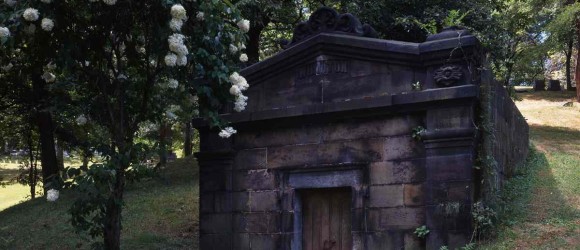
Most mausoleums place remains above ground inside a mausoleum crypt. Because Scripture and Jewish tradition dictate burial of the deceased in the ground, mausoleums are not commonly used by the Jewish faithful. Instead, Jewish cemetery monuments are placed over the earthen grave of the beloved deceased.
Read More»Granite Mausoleum Construction
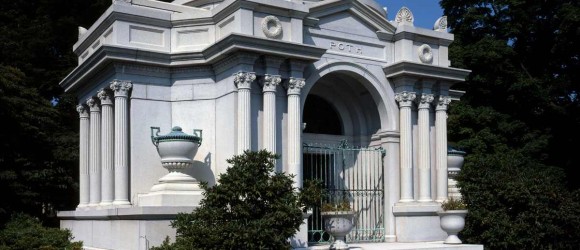
A Mausoleum is an exceptional opportunity to build a meaningful and lasting tribute to family. While the cost can be considerably high for a private mausoleum, granite construction is durable, a true legacy material.
Read More»