History of Royal Mausoleums: 15 Most Magnificent Ancient Burial Monuments That Changed Architecture Forever


The history of royal mausoleums is a record of how civilizations chose to honor power, lineage, and memory through architecture built to endure centuries. From ancient kings and emperors to queens whose influence shaped nations, the royal mausoleum has long served as more than a burial site. It is a permanent mark on earth, constructed with intention, precision, and the highest standards of craftsmanship.
Across cultures, these monuments reflect a shared understanding: not all mausoleums are created equal. The most remarkable royal tombs were built with superior materials, thoughtful design, and master craftsmanship, meant to withstand the test of time. These 15 magnificent ancient burial monuments did not simply commemorate death. They changed architecture forever.
What Royal Mausoleums Reveal About Legacy and Architecture
- Royal Tombs Were Built to Outlast Generations: Throughout the history of royal mausoleums, a royal tomb was never meant to be a temporary burial place, but a permanent monument designed to preserve legacy, authority, and remembrance for centuries.
- The History of Royal Mausoleums Reflects Power and Permanence: From ancient Egypt to imperial Europe and Asia, the history of royal mausoleums shows how rulers used architecture, stone, and craftsmanship to express succession, cultural values, and enduring influence.
- A Royal Tomb: United Architecture, Belief, and Craftsmanship: Every royal tomb was intentionally designed with a symbolic layout, durable materials, and masterful construction, reinforcing the idea that burial architecture should reflect both status and permanence.
- Enduring Materials Defined the Greatest Royal Mausoleums: The most influential royal mausoleums were built with stone selected for longevity, demonstrating that material quality is essential to preserving structure and memory over time.
- Royal Mausoleums Established Lasting Architectural Standards: By combining scale, engineering precision, and purpose, royal mausoleums established principles that continue to influence the design of royal tombs and modern mausoleums today.
1. The Great Pyramids of Giza – Egypt
In ancient Egypt, royal burial reached an unprecedented scale. The Great Pyramids were constructed as monumental royal tombs for pharaohs whose authority extended into both life and death. Each pyramid functioned as a vast mausoleum complex, complete with temples, ceremonial walls, gardens, and subsidiary graves.
At the heart of each structure was a stone-lined burial chamber, where the body was laid within a massive sarcophagus. These mausoleums were built of stone to ensure permanence, establishing architectural principles that would guide royal burial for centuries.
2. The Valley of the Kings – Egypt
As dynasties evolved, Egyptian kings moved their royal burials underground. The Valley of the Kings houses elaborately carved royal tombs designed to protect the remains of rulers long after they died. These burial chambers feature inscriptions, decorated walls, and carefully planned interiors intended to safeguard the journey to the afterlife. This period marked a golden age of excavation and tomb construction, demonstrating that permanence could be achieved through engineering as much as monumentality.
3. The Mausoleum at Halicarnassus – Turkey
The word mausoleum itself originates from this royal tomb, built for Mausolus, a powerful ruler of Asia Minor. Erected as a statement of authority and legacy, the structure combined Greek, Persian, and Egyptian influences into a single monument. Its superstructure, sculptural decoration, and scale established the mausoleum as a distinct architectural form and one that would influence royal burial design across continents.
4. The Imperial Tomb of Qin Shi Huang – China
China’s first emperor ruled with absolute authority, and his burial site reflected that power. Beneath a massive earthen mound lies a royal mausoleum guarded by thousands of terracotta warriors, each crafted to stand watch for eternity. The emperor’s remains were interred within a sealed chamber designed to replicate his earthly empire, reinforcing the concept of burial as a continuation of rule.
5. Westminster Abbey – England
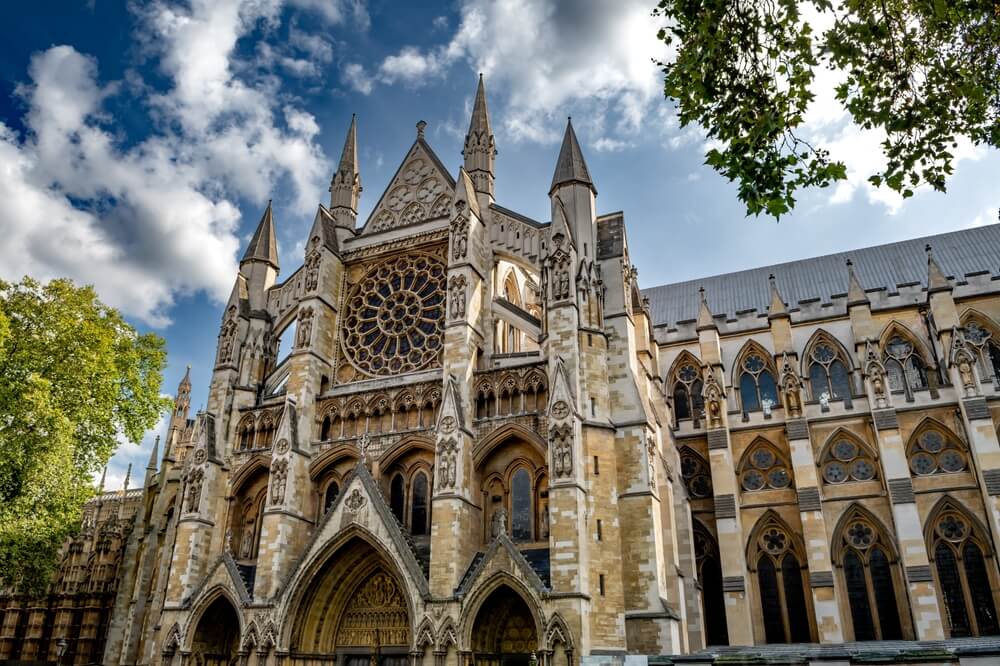
For nearly a thousand years, Westminster Abbey has served as a central royal burial location for English monarchs. While not a single mausoleum, the church houses numerous royal tombs beneath stone monuments and carved effigies. Kings and queens were buried here to affirm succession, legitimacy, and continuity, demonstrating how burial sites can reinforce dynastic authority.
6. St George’s Chapel, Windsor – England
Located within Windsor Castle, St George’s Chapel is among the most significant royal burial sites in Britain. Beneath the chapel floor lies a burial chamber where generations of kings and queens are interred. Windsor has remained a royal burial location for centuries, reflecting a tradition of permanence tied to place, faith, and monarchy.
7. Frogmore Royal Mausoleum – Windsor, England
The Frogmore Royal Mausoleum, located in Windsor Home Park, was commissioned by Queen Victoria following the death of her husband, Prince Albert, in December 1861. Designed by architect Albert Jenkins Humbert, the structure reflects Romanesque revival architecture and deep personal devotion.
After Queen Victoria died, she was buried beside her husband. The mausoleum remained closed to the public for many years, standing quietly as a testament to love, mourning, and legacy. Its enduring construction underscores how royal mausoleums are built not for decades, but for centuries.
8. The Taj Mahal – Agra, India
Few structures rival the Taj Mahal in global recognition. Built in Agra by an emperor for his beloved wife, this mausoleum represents the highest expression of Mughal architecture. When the queen died, her remains were laid in a central burial chamber beneath a vast marble dome. The emperor himself was later interred alongside her, creating a shared final resting place that continues to influence monumental design worldwide.
9. Tomb of Emperor Jahangir – Lahore
The tomb of Emperor Jahangir, located near Lahore, is a royal mausoleum surrounded by formal gardens. Built by his wife, it reflects Persian symmetry and refined craftsmanship. When the emperor died while traveling through the region, his body was transported to this burial site, where the mausoleum was erected as a lasting symbol of imperial authority.
10. Humayun’s Tomb – Delhi
Humayun’s Tomb introduced the large-scale garden mausoleum design to the Indian subcontinent. The emperor’s remains were interred beneath a domed structure surrounded by carefully planned grounds. This tomb became a model for later royal mausoleums, proving how thoughtful design can define an architectural legacy.
11. Basilica of Saint-Denis – France
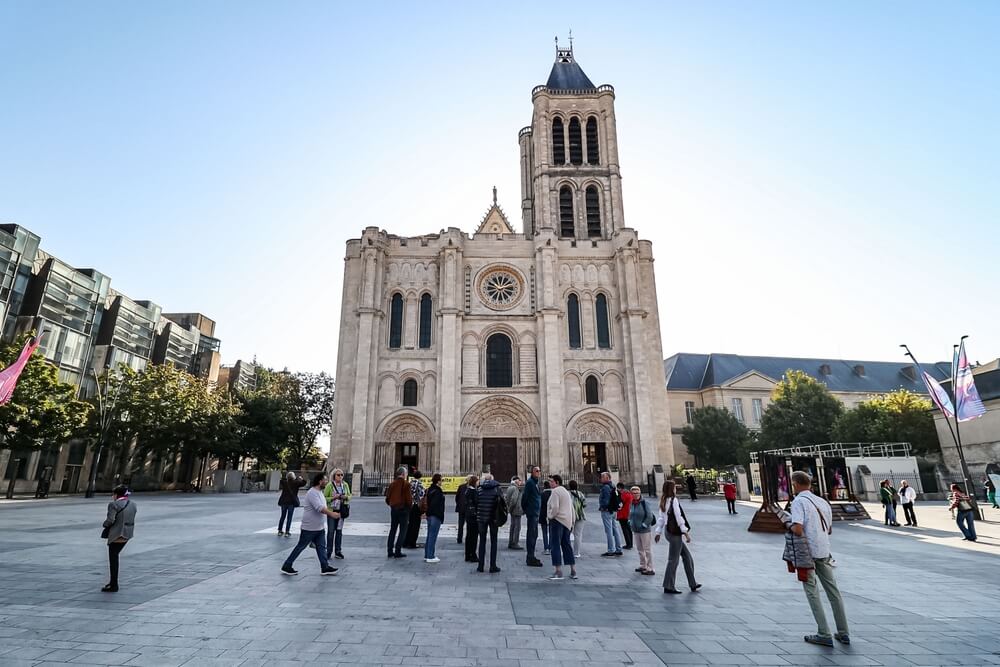
For centuries, French kings and queens were buried at the Basilica of Saint-Denis. Stone tombs, sculpted effigies, and inscriptions reinforced dynastic continuity and royal authority. The site remains an integral part of European royal burial history.
12. Tomb of Cyrus the Great – Iran
Located in present-day Iran, the tomb of Cyrus the Great is a restrained yet powerful royal mausoleum. Built of stone and elevated above the surrounding land, it conveyed dignity and permanence. Its influence can be seen in later imperial tombs across the region.
13. Royal Mausoleums of Afghanistan
Across Afghanistan, royal burial sites reflect Persian and Islamic influences. These mausoleums served both as burial places and shrines, reinforcing legitimacy for rulers who once governed vast territories.
14. Safavid Royal Mausoleums – Iran
Safavid rulers commissioned richly decorated mausoleums that combined geometry, inscriptions, and symbolic interior design. These structures emphasized continuity between spiritual belief and imperial identity.
15. Royal Mausoleums of Southeast Asia
In Southeast Asia, royal mausoleums often took the form of temple-like structures. These burial sites blended regional traditions with imperial symbolism, housing remains within sacred grounds designed to endure.
A Legacy Built for Centuries
Throughout history, royal mausoleums have demonstrated what is possible when permanence is the priority. Built with superior materials, careful engineering, and master craftsmanship, these monuments were designed to last far beyond a single lifetime.
At Eternal Mausoleums, part of Forever Legacy, we carry forward these same principles. Our handcrafted, custom private mausoleums are created by American master craftsmen using Vermont granite, built to the highest standards, and backed by an eternal warranty. We manage the entire process from design through installation with white-glove service, whether you already own land or are just beginning to explore your options.
If you are considering a permanent legacy for generations to come, we invite you to schedule a consultation, contact us, or call us when you’re ready. We come to you, we do it all from start to finish, and we build mausoleums meant to stand for centuries.